Introduction: Why Luxury Real Estate in Dubai Demands a Trusted Guide
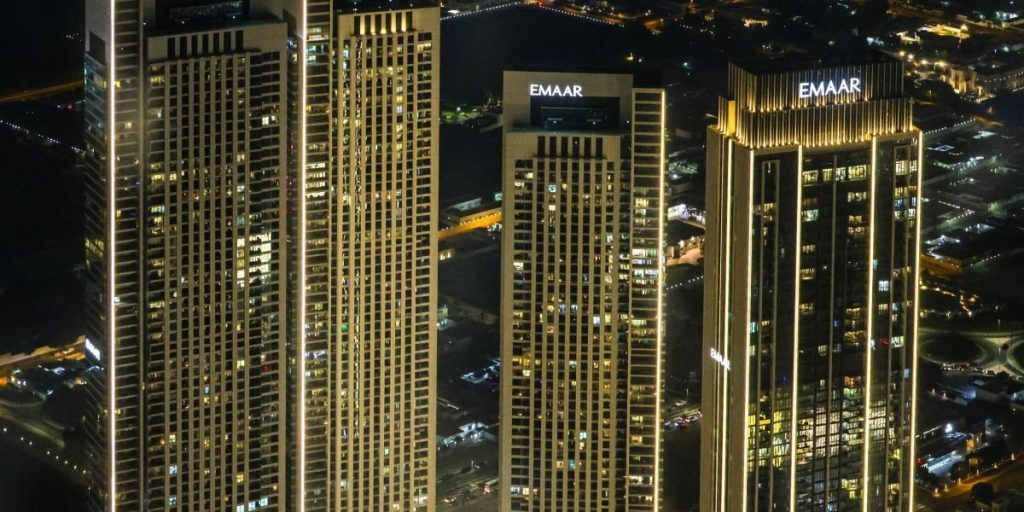
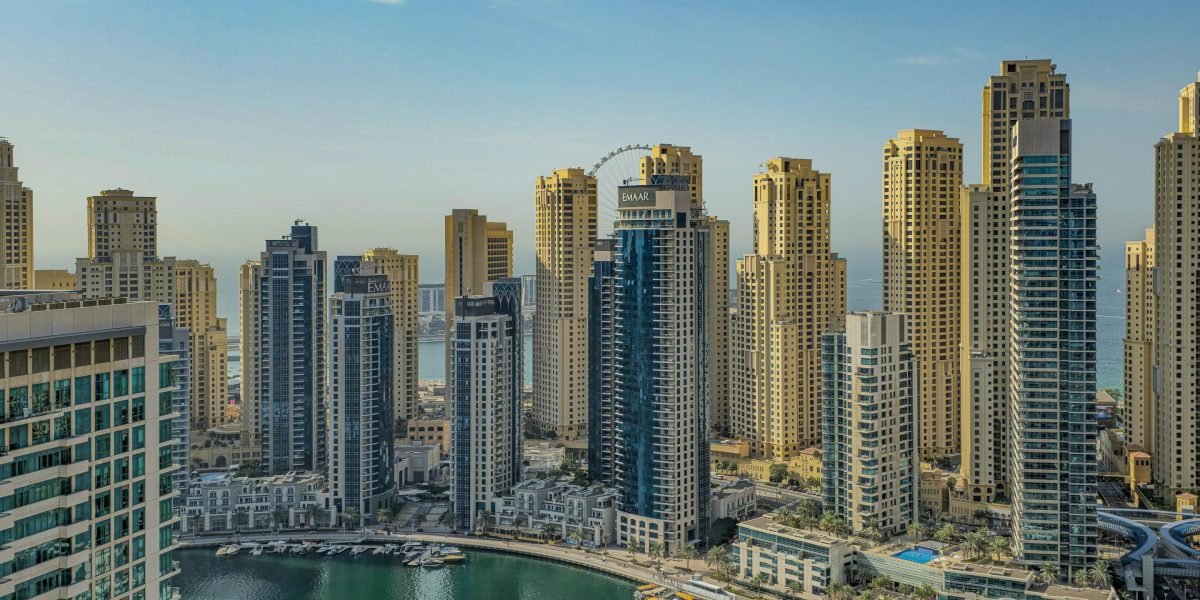
Dubai’s luxury real estate market is on fire in 2026. We are seeing record-breaking sales that set new global benchmarks. High-net-worth individuals from all over the world are pouring into the city, hungry for a piece of its iconic skyline and waterfront living. In the first half of 2026 alone, ultra-luxury villas on Palm Jumeirah and prestigious apartments in Downtown Dubai have changed hands for sums that make international headlines. The appetite for prestige properties has never been this strong.
But here is the thing. With so much money and opportunity on the table, making the right move is harder than ever. You face a perfect storm of challenges. Information overload can leave you dizzy. Transparency gaps can make you question who to trust. And the legal rules? They are strict and specific. Even though the UAE ranks first globally on the trust index, navigating the sheer volume of choices without a clear plan is a recipe for costly mistakes.
That is why you need a trusted guide by your side. You need someone who can cut through the noise and give you a clear path forward. This guide is designed to do exactly that. We provide an expert-backed roadmap covering current market trends, the legal steps to buy safely, and the due diligence you must do before signing anything.
Whether you are exploring luxury real estate in Dubai for the first time or you are a seasoned investor in real estate investments Dubai, this article simplifies the process. We make sure you move forward with confidence, not confusion.
Feeling the weight of decision paralysis? You do not have to figure this out alone.

Get your FREE Dubai Real Estate Consultation with a trusted professional today.
Why Dubai’s Luxury Real Estate Market Is Thriving in 2026
So why is Dubai the place to put your money right now? It’s not just luck. The city has built a rock-solid foundation that keeps ultra-high-net-worth buyers coming back.
First, the economic fundamentals. The UAE offers 100% foreign ownership in freehold zones. That means you can own a luxury villa on Palm Jumeirah or a penthouse in Downtown Dubai outright. No local partner needed. And the golden visa program gives long-term residency to investors and their families. That’s a huge plus for stability.
The numbers back it up. In February 2026 alone, Dubai property sales hit $16.5 billion, an 18% jump from the year before. Prices are still climbing, with average apartment costs reaching AED 1,871 per square foot in Q1 2026. This demand is real and sustained.
Second, the Expo 2020 legacy keeps paying off. Major infrastructure like the expansion of Al Maktoum International Airport and new metro lines makes the city more connected and easier to navigate. These upgrades raise property values across the board.
Third, the buyer pool is global and growing. Wealthy individuals from Asia, Europe, and the Middle East all see Dubai as a safe haven for their capital. Whether they want a vacation home or a long-term investment, they know the market has both prestige and solid returns.
If you are ready to tap into this thriving market, you do not have to go it alone. Get your free Dubai real estate consultation with a trusted professional who can help you find the best opportunities in 2026.
The fundamental reasons behind Dubai’s boom are strong. And as a buyer, you can take full advantage of this moment with the right guide by your side.
Key Luxury Enclaves: Palm Jumeirah, Emirates Hills, and Beyond
So now that you know why Dubai’s market is so strong, let’s look at exactly where the top opportunities are. If you are serious about luxury real estate in Dubai, you need to know the neighborhoods that matter most.
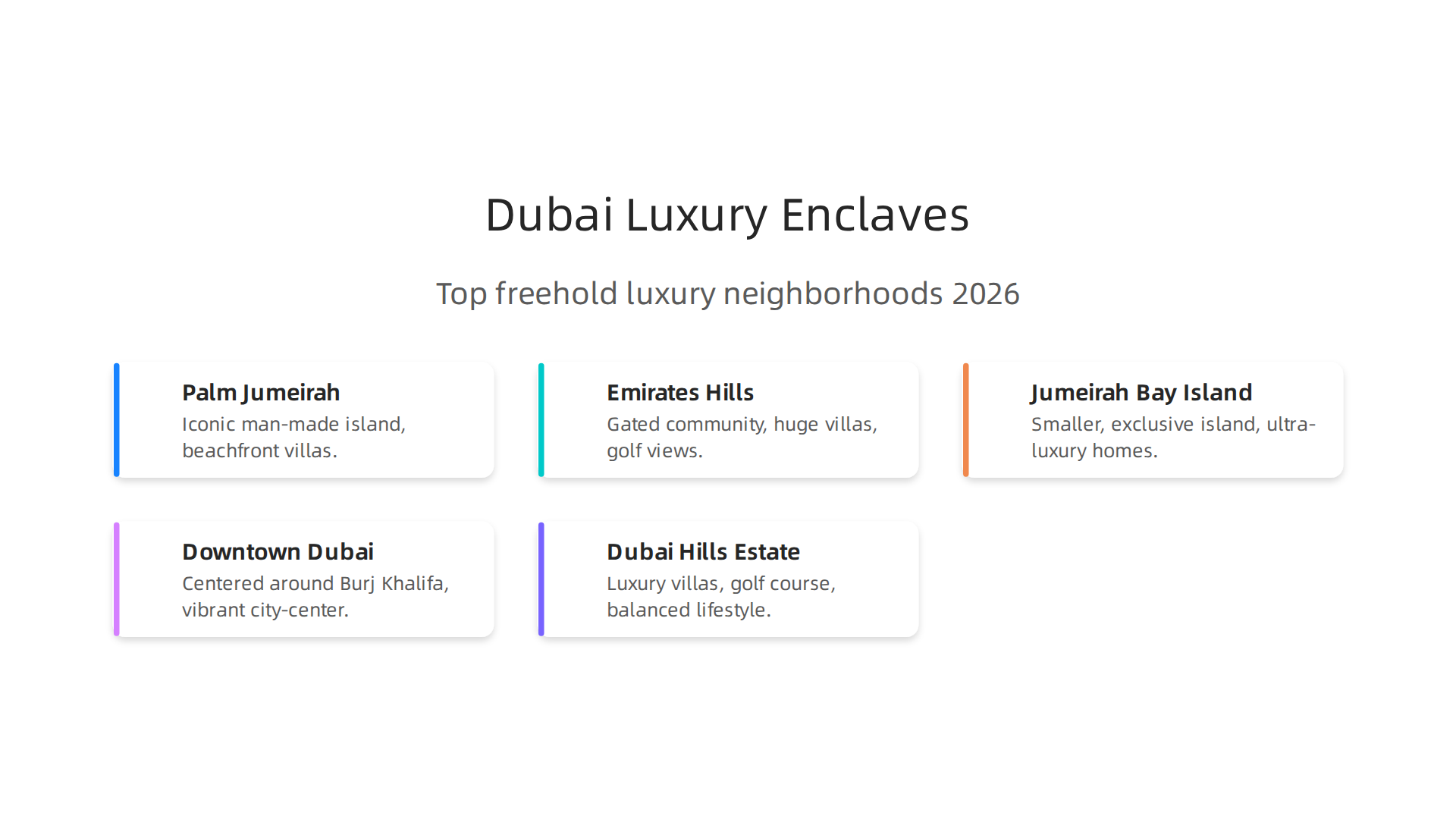
Here are the key freehold luxury enclaves that drive the market in 2026:
-
Palm Jumeirah. This is the iconic man-made island. It offers beachfront villas and exclusive apartments. The selling point here is direct access to the sea and private beaches. In early 2026, average apartment prices hit around AED 1,871 per square foot across the city. On the Palm, premium locations push even higher.
-
Emirates Hills. Think of this as Dubai’s version of Beverly Hills. It is a gated community with huge villas and golf course views. It is all about privacy and space. For top-tier real estate investments in Dubai, this area is a strong hold.
-
Jumeirah Bay Island. This is a smaller, more exclusive island. It offers ultra-luxury homes with skyline views. It is very private and attracts ultra-high-net-worth buyers.
-
Downtown Dubai. This area is centered around the Burj Khalifa and Dubai Mall. It is perfect for those who want a vibrant, city-center lifestyle. Apartments here offer landmark views and strong rental yields.
-
Dubai Hills Estate. This community combines luxury villas and apartments with a golf course and parkland. It is popular with families and investors looking for a balanced lifestyle.
For real estate property in Dubai, these enclaves all have different vibes. But they share one thing in common. They attract serious global money.
If you are ready to explore buying in one of these top districts, get your free Dubai real estate consultation with a trusted expert who knows these areas inside and out.
Understanding the Legal Framework for Luxury Property Investment
Now that you have a clear picture of where to buy luxury real estate in Dubai, let’s talk about how the rules work. The legal side might sound boring, but it is actually the most important part. You really do not want to skip this step.
The Dubai property market is well regulated. Two main bodies keep everything fair and transparent. The Dubai Land Department (DLD) handles all property registrations and transfers. The Real Estate Regulatory Authority (RERA) makes sure developers and agents follow the rules. Together, they protect your investment.
When you buy any real estate property in Dubai, you pay a DLD transfer fee of 4% of the purchase price plus a small administration fee. This is the main cost you need to budget for. So for a AED 10 million villa, that is AED 400,000 in fees. Knowing this upfront helps you plan your finances better.
Key Legal Documents You Will See
Here are the important papers you will handle during a luxury property purchase:
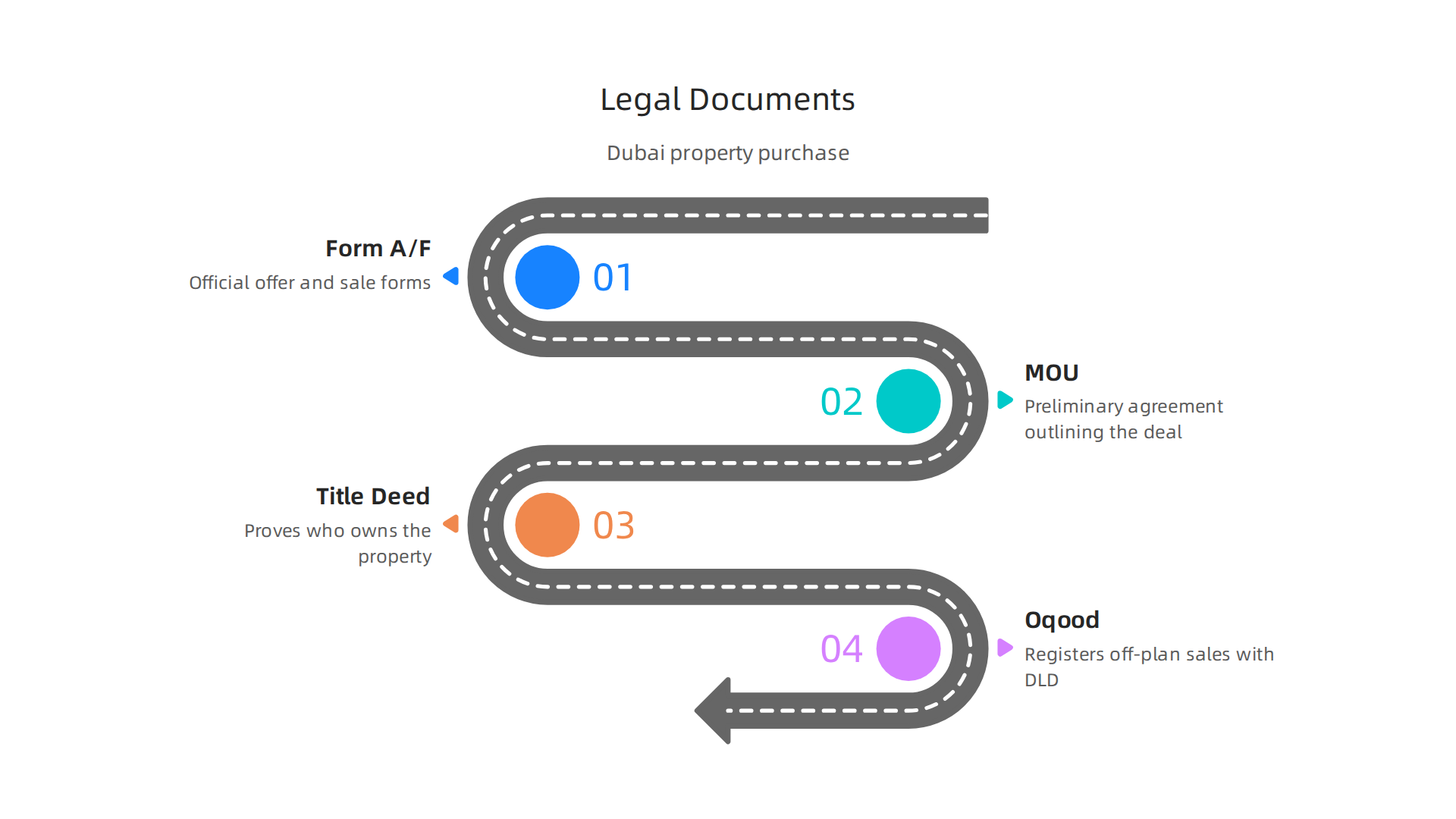
- Form A / Form F. These are official offer and sale forms registered with the DLD. They lock in the price and terms between you and the seller.
- Memorandum of Understanding (MOU). A preliminary agreement that outlines the deal before the final contract. Your agent will help you review it.
- Title Deed. This proves who owns the property. Always check the title deed before you pay any money.
- Oqood. If you buy off-plan (a property that is not built yet), the developer must register your sale under the Oqood system. This protects your payments and guarantees your unit.
For a full breakdown of each step, check out our complete step-by-step guide to buying property in Dubai in 2026.
Freehold vs Leasehold and Foreign Ownership Rules
Here is the good news for any international investor. In designated freehold zones, you get 100% foreign ownership. That means you can own the property and the land it sits on. No need for a local partner.
Most luxury areas like Palm Jumeirah, Emirates Hills, and Downtown Dubai are freehold. Leasehold areas give you the right to use the land for a certain period, usually 99 years, but you do not own the land itself. For luxury real estate investments in Dubai, freehold is almost always the way to go.
Still worried about getting the paperwork right? That is completely normal. Many first time buyers feel the same way. The smartest move is to work with someone who deals with these forms every day.
Get your FREE Dubai real estate consultation with a trusted expert who can walk you through every document and rule. Click here to start your free consultation.
Key Contracts and Regulatory Bodies: RERA, DLD, and More
You already know the DLD and RERA keep things fair. But there are a few more systems you need to understand, especially if you plan to rent out your luxury property or buy off-plan.
The Ejari system is the official tenancy registration system in Dubai. If you buy a luxury villa or apartment and want to lease it out, you must register the rental contract through Ejari. This system makes everything transparent. It protects both you as a landlord and your tenant. Ejari also links directly to your DEWA (Dubai Electricity and Water Authority) account. So if a tenant stops paying, you have the legal proof you need.
Oqood protects buyers who purchase off-plan luxury properties. The developer must register each sale under the Oqood system managed by the DLD. This system guarantees that your payments are tied to a specific unit. It prevents developers from selling the same property twice. According to the official DLD resources, Oqood registration helps safeguard your investment from start to finish.
REIT regulations matter if you are an institutional investor. Dubai allows Real Estate Investment Trusts, which let you invest in luxury real estate without buying a whole property. The regulations are handled jointly by RERA and the Dubai Financial Market. This is a great way to access top real estate investments in Dubai with lower entry costs.
Feeling unsure about which contract system applies to your situation? That is common. Many investors find the paperwork confusing at first. A trusted guide makes all the difference.
Get your FREE Dubai real estate consultation with a local expert who handles Ejari, Oqood, and REIT rules every day. Click here to start your free consultation.
How to Evaluate Luxury Properties: ROI, Yields, and Appreciation
Now that you know the legal systems, let’s talk numbers. How do you actually tell if a luxury property is a smart buy? You need to look at a few key metrics. Don’t worry, they are not hard to understand.
The first number is gross rental yield. This is your annual rental income divided by the property price. In 2026, the average gross rental yield in Dubai falls between 5.5% and 7%, depending on location and property type Luxhabitat.
Some areas deliver even higher returns, especially mid-range districts. But for luxury real estate in Dubai, yields often sit at the lower end because high prices mean a bigger investment for the same rent.
Net yield is more honest. It subtracts service charges, maintenance, and management fees from your gross income. A luxury villa on the Palm might show a gross yield of 5%, but after annual service charges of AED 30,000, your net yield could drop to 4% or less. Always calculate net yield before you buy.
Capital appreciation is the increase in property value over time. This is where branded residences and prime locations shine. A well located luxury apartment in Downtown or a branded residence on Bluewaters often sees compound annual growth rates (CAGR) of 5% to 8% over a five year period. A 2026 market outlook from Gulf News notes that Dubai’s average annual vacancy rate sits around 12%, which means choosing a high demand area is vital to avoid empty months Gulf News.
What drives value the most? Three things: location, brand, and exclusivity. A property with a direct sea view, a private pool, and a reputable developer name will hold its value better than a standard unit in the same tower. Floorplan uniqueness matters too. A duplex penthouse with a private terrace is harder to find and easier to sell.
When comparing off-plan vs ready properties, here is the data driven approach. Off-plan properties offer lower entry prices and higher potential appreciation if the market rises. But you face development risk and a wait time of two to four years. Ready properties give you instant rental income and clear numbers. Use the average rental yields for ready properties as your baseline, and compare that to the projected completion timeline of an off-plan unit. If the off-plan price is 20% lower than comparable ready units, and you can wait, it might be worth it. If the difference is small, ready is often safer.
Confused about which numbers matter most for your specific investment? A local expert can show you real calculations for the properties you are considering.
Get your FREE Dubai real estate consultation today. Click here to connect with a trusted advisor.
Rental Yield Benchmarks for Prime Properties
Not all luxury communities in Dubai give you the same rental return. Let’s compare some top spots.
Palm Jumeirah is the icon. Gross rental yields on villas here usually fall around 4% to 5%, according to the 2026 market data from Luxhabitat. But after those high service charges (think AED 30,000+ a year), your net yield can drop to 3% or less. That’s okay if you are banking on capital appreciation, but not great for pure cash flow.
Emirates Hills is similar. Yields sit around 3.5% to 4.5%. The stretch is that tenants are usually high net worth families who stay longer, so vacancy is low. Still, entry prices are huge.
Dubai Marina and Business Bay are different stories. These areas offer better gross yields, often 6% to 7% for apartments, as noted in the GuestReady report. But service charges in towers can eat 20% of your gross income. Always ask for the service charge breakdown before buying.
Vacancy is the silent killer. In 2026, Dubai’s average vacancy rate is around 12%, with summer months being tougher Gulf News. A luxury villa that sits empty for two months wipes out any yield advantage.
Short-term rentals (Airbnb) vs long-term lease: For luxury villas on the Palm, short-term can double your gross yield during peak tourist seasons. But you need a management company, license fees, and you deal with high turnover. Long-term gives you stable income and less hassle. In 2026, many investors are splitting: use short-term for the first two years to maximize return, then switch to long-term once the property appreciates.
Want to see real yield numbers for a specific community? A local expert can run the math for you.
Get your FREE Dubai real estate consultation today. Click here to connect with a trusted advisor.
Navigating the Buying Process: Step-by-Step Guide
Now that you have a clear picture of where the best rental yields sit, the next big question is how to actually secure that luxury real estate in dubai property. The process is straightforward, but you need to follow each step carefully. Here is how it works in 2026.
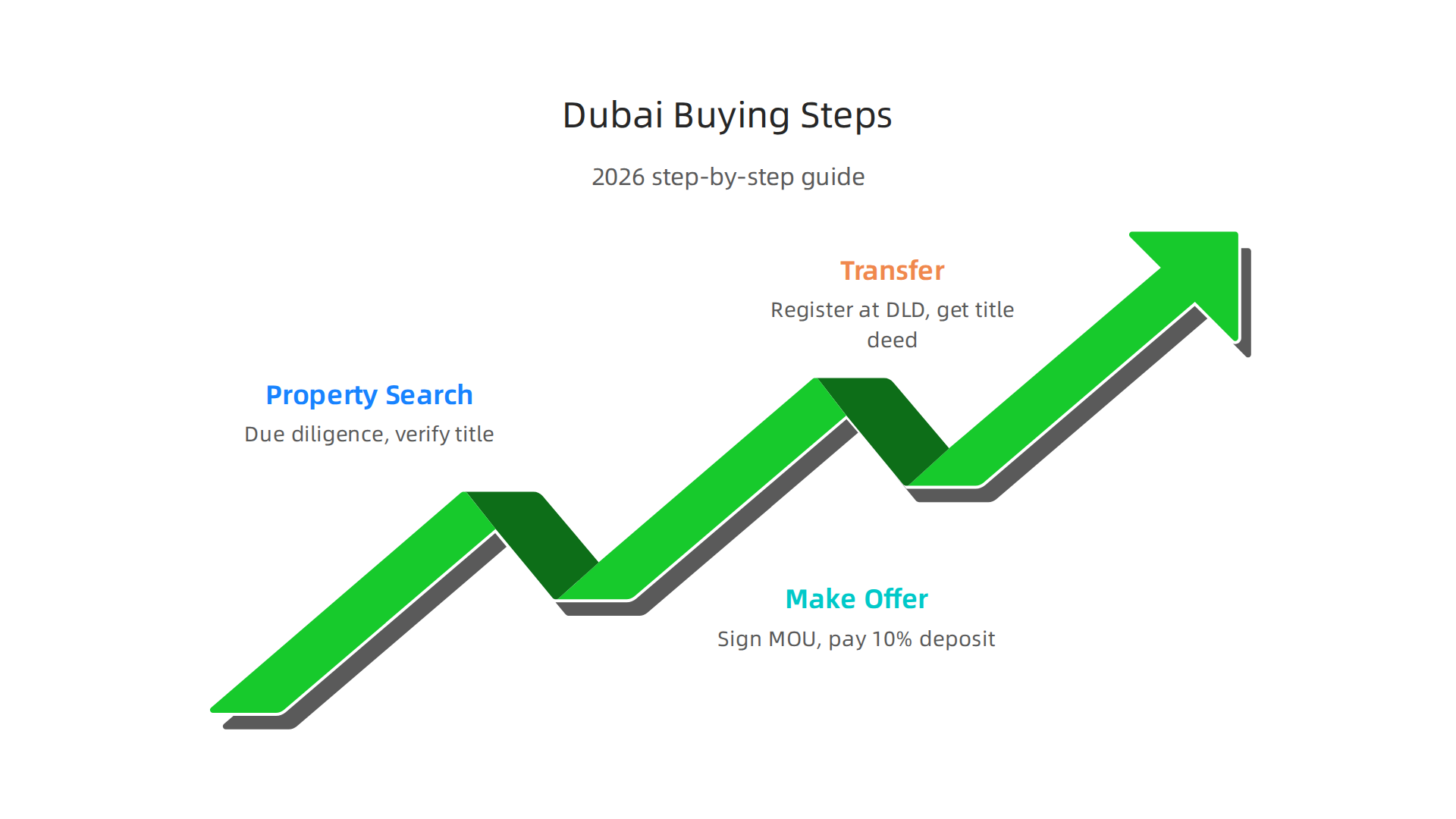
Step 1: Property search and initial due diligence
Start your search with a clear budget and a list of preferred communities. Once you find a property you like, do your homework. You must first confirm your freehold eligibility. Most nationalities can buy freehold property in designated areas like Palm Jumeirah or Dubai Marina. Then, verify the title deed with the Dubai Land Department (DLD) to make sure the seller actually owns the property and there are no liens on it. A trusted real estate agent can help you with this. Check out this guide on how to work with a licensed estate agent in dubai to find someone who can run these checks for you. According to Bayut, this due diligence step is critical for any real estate investments dubai source.
Step 2: Making an offer, the MOU, and your deposit
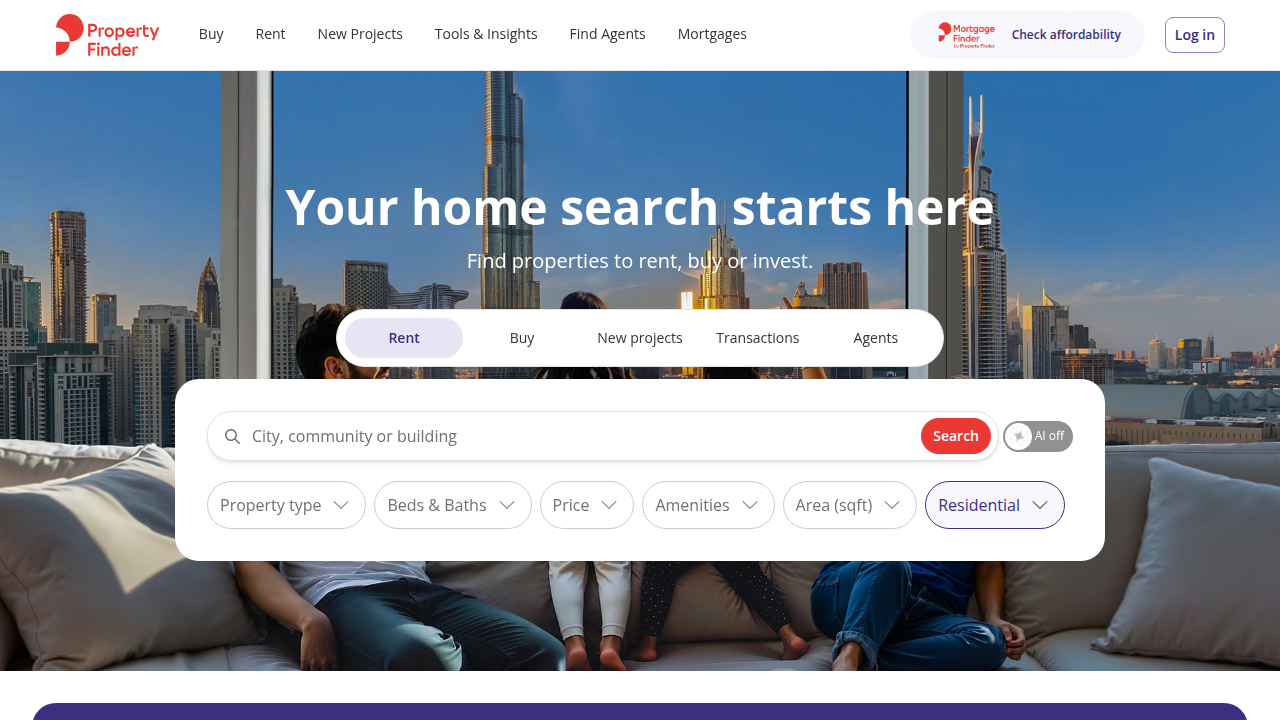
Found the right place? Great. Now you make an offer. If the seller accepts, both parties sign a Memorandum of Understanding (MOU). This is a legally binding document that outlines the sale price, payment terms, and the handover date. You will then pay a deposit, typically 10% of the purchase price. This deposit shows you are serious and it goes into an escrow account managed by a trustee. The propertyfinder.ae guide explains that the MOU is the backbone of the whole transaction.
Step 3: Transfer process at the DLD trustee office
This is the final step. You and the seller meet at a DLD trustee office to complete the transfer. The trustee will handle the paperwork, collect the remaining payment from you, and pay off any existing mortgage on the property. As a buyer, you pay the DLD transfer fee, which is 4% of the purchase price plus a small admin fee. Once everything is signed, the DLD issues a new title deed in your name. You now officially own a piece of real estate property in dubai.

For a full breakdown of costs and timelines, the Complete Guide to Buying Property in Dubai 2026 is a helpful resource.
The whole process can take 30 to 60 days from offer to key handover. If you want a local expert to run the math and guide you through each document, you do not have to figure it out alone.
Get your FREE Dubai real estate consultation today. Click here to connect with a trusted advisor.
Essential Due Diligence Checklist for Investors
You have followed the steps. But have you done your homework? Smart investors always run a few extra checks before they commit. Here is your essential due diligence checklist.
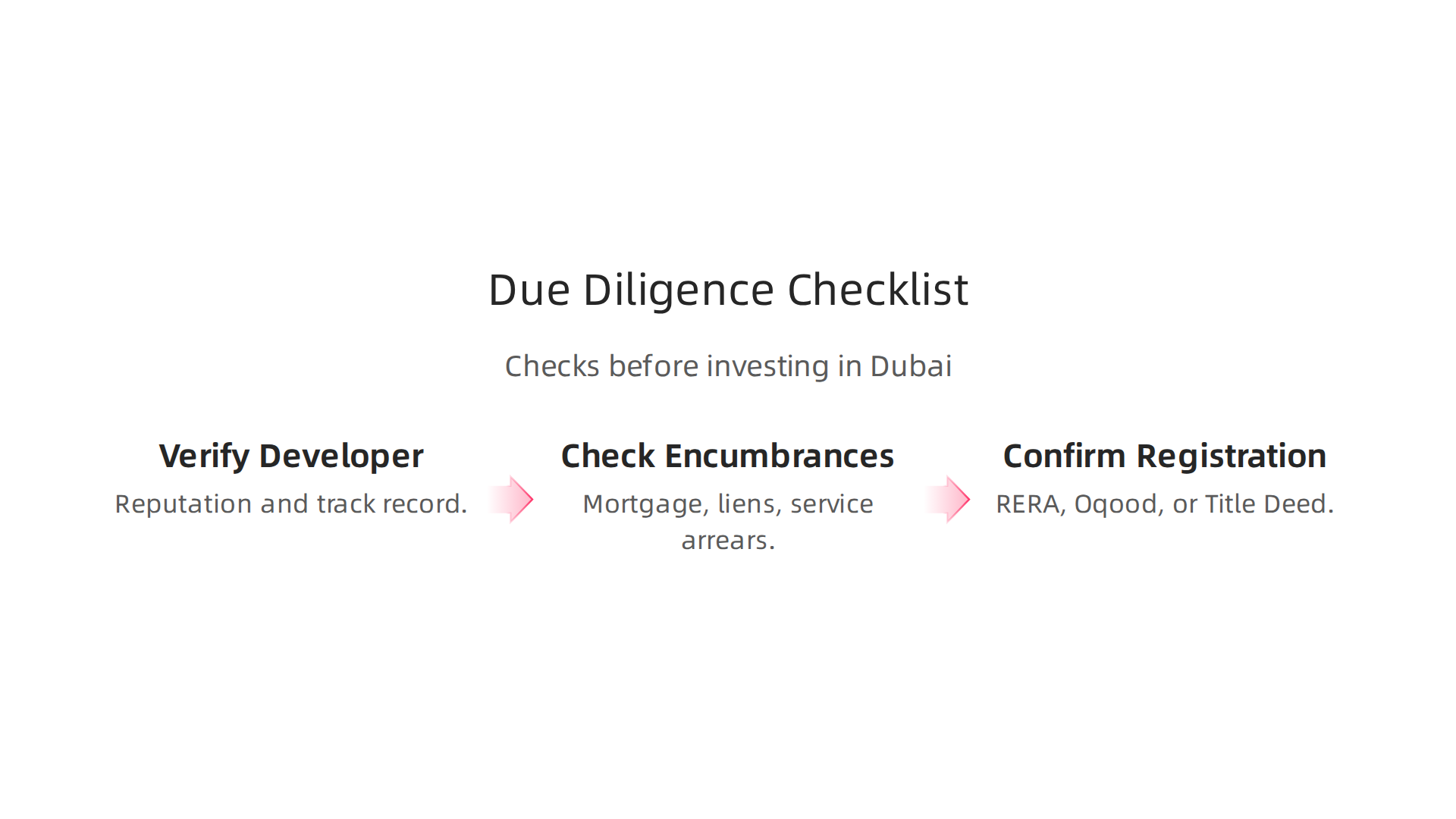
1. Verify developer reputation and track record (especially for off-plan)
If you are buying off-plan, the developer’s history matters a lot. Check if they have delivered previous projects on time and with good quality. The Times of India guide to off-plan property in Dubai explains that you must confirm the developer is registered with the Dubai Land Department and RERA source. A reliable developer reduces your risk.
2. Check encumbrances: mortgage, liens, and service charge arrears
Make sure the property you want is free from any financial issues. Ask your agent to check if the seller still owes money on a mortgage, or if there are any liens or unpaid service charges. These can block the transfer. The Bayut guide on legal steps to buy property in Dubai reminds you to run an encumbrance check at the DLD before you pay any deposit source.
3. Confirm property is registered with RERA and has a valid Oqood or title deed
Every property in Dubai must be registered with the Real Estate Regulatory Authority (RERA). For off-plan units, the developer should have an Oqood (preliminary registration). For ready properties, you need a valid title deed. You can verify this online through the DLD system. This step protects you from scams and ensures the property legally exists. For more safety tips, check out our guide on how to avoid costly mistakes with a real estate brokerage in Dubai in 2026.
If all these checks come back clean, you are ready to move forward. Not sure how to verify everything yourself? A local expert can run the complete due diligence for you.
Get your FREE Dubai real estate consultation today. Click here to connect with a trusted advisor.
Financing Luxury Real Estate: Mortgages and Payment Plans
So your due diligence checks came back clean. Now comes the money question. How are you going to pay for your luxury real estate in Dubai?
You have two main paths. You can pay in cash or use a mortgage. And for off-plan properties, developers offer flexible payment plans that make luxury more accessible.
Mortgage eligibility in 2026
If you need a loan, here is what the numbers look like this year. For residents, you can usually borrow up to 80% of the property value (80% LTV). For non-residents, the limit drops to around 50% to 60% LTV. Interest rates for expats sit between 4% and 5% in 2026, depending on your profile and the bank.
The good news? Dubai banks are actually quite welcoming to foreign investors. You just need a clean credit history and proof of income. For a full breakdown of the buying process, check out our step-by-step guide on how to buy property in Dubai in 2026.
Off-plan payment plans: the smart investor’s tool
One reason why real estate investment in Dubai attracts so many people is the developer payment plans. For luxury off-plan projects, you often see plans like 50/50 (pay 50% during construction, 50% on handover) or 70/30 (pay 70% during construction, 30% after handover). These post-handover payment plans are a huge advantage. They let you secure a prime unit without needing all the cash upfront.
Cash vs mortgage for luxury investors
Here is the real debate. Paying cash means no interest costs and faster ownership. But using a mortgage frees up your capital for other investments. And in 2026, with Dubai’s average rental yields ranging from 5.5% to 7% as noted by Luxhabitat, a mortgage can still leave room for positive cash flow if your interest rate is lower than your yield.
The best choice depends on your personal tax situation and your investment timeline. If you are aiming for long-term capital appreciation in the luxury segment, a mortgage might stretch your buying power further.
Need personalized advice?
Every investor’s financial picture is different. A local expert can help you compare mortgage offers and pick the right payment plan for your goals.
Get your FREE Dubai real estate consultation today. Click here to connect with a trusted advisor.
Off-Plan Payment Plans vs. Traditional Mortgages
So you have two clear paths for buying luxury real estate in Dubai. Which one fits you better? Let’s break down the trade-offs.
Off-plan payment plans let you enter the market with a smaller upfront cost. You pay in stages during construction. The big advantage is capital appreciation while the building goes up. Your unit can gain 10% to 20% in value before you even move in. The downside? You get zero rental income until handover. And if the market slows, your timeline might stretch. Still, for many investors, this is the smartest way to buy a prime unit without tying up all your cash.
Traditional mortgages give you immediate ownership. You can move in or rent out the property right away. With Dubai’s average rental yields around 5.5% to 7% in 2026, that income helps cover your mortgage payments. But the upfront cost is higher. You need a down payment of at least 20% (for residents) or 40% to 50% (for non-residents). And interest rates between 4% and 5% add to your total cost over time.
Which path wins? It depends on your investor profile.
- Cash-rich investors who want instant income and full control often prefer a mortgage on a ready property.
- Leverage-seeking investors who want to stretch their buying power and are patient about income should look at off-plan with post-handover payment plans.
Before you decide, make sure you understand the full buying process. Our guide on how to buy property in Dubai in 2026 walks you through every step.
Still not sure which route fits your goals? Get a FREE Dubai real estate consultation today. Click here to connect with a trusted advisor.
Future Trends and Expert Insights for 2026 and Beyond
Now that you know how to pay for your property, let us look at what is coming next. The luxury real estate in Dubai keeps changing fast.

Here are three big trends that will shape the market this year and beyond.
Branded Residences Keep Winning
Here is the thing. Branded residences are taking over the high-end market. These are homes designed by big names like Armani, Versace, and Bulgari. Buyers trust these brands. According to recent data, the luxury and ultra-luxury segment is still expanding fast. A branded apartment sells for a much higher price than a normal luxury unit. People pay more for the name, the design, and the promise of quality service. If you want top resale value, branded is the way to go.
Sustainability Is Now a Must-Have
It is not just about marble floors and chandeliers anymore. Buyers in 2026 want smart homes. They want AI-powered systems that save energy. They want solar panels, smart thermostats, and water-saving features. These features make a home cheaper to run and better for the planet. Recent reports confirm these are key value drivers in the Dubai real estate luxury sector right now. Homes with green tech sell faster and hold their value better.
AI and Proptech Make Buying Easier
Technology is changing how we handle real estate investments in Dubai. AI tools can now estimate the value of a home instantly. Proptech platforms let you check documents, handle payments, and even tour properties online. This means less paperwork and fewer surprises. Transactions are safer and much faster. In fact, live market data now lets you track prices per square foot in real time. This makes real estate property in Dubai more accessible than ever.
Want to learn more about these trends? Check out our full guide on the Dubai real estate market in 2026. Or get personal advice for your situation. Talk to a local expert today with a FREE Dubai real estate consultation.
Sustainability and Smart Home Integration in Luxury Developments
Sustainability is not just a trend anymore. It is a requirement for luxury real estate in Dubai in 2026. High-end buyers now look for homes with official green certifications. Two big ones are Estidama and LEED. These labels show that a building uses less energy and water. They also mean healthier indoor air. For buyers, a certified home keeps its value better. As the market keeps growing, properties with these badges sell faster. Recent data shows that properties with green features are especially popular among serious investors.
Smart home features are another must. Think AI-powered energy management that adjusts your AC and lights automatically. Automated blinds that follow the sun. Advanced security systems with cameras and smart locks. All these tools let you control your home from your phone. They save money on bills. And they attract tenants willing to pay a premium. In the Dubai real estate luxury market, a smart home can command much higher rent than a regular unit.
Looking ahead, developers are moving toward net-zero buildings. These homes create as much energy as they use. Whole communities are being built with shared solar grids, water recycling, and electric vehicle charging stations. This shift makes real estate investments Dubai even more attractive for long-term owners. It also means your property will stay in demand for years.
Want to see how these trends affect your buying decisions? Read our guide on trusted real estate investment in Dubai to learn how to pick a sustainable property that holds its value. Or talk to a local expert today. Get a FREE Dubai real estate consultation to find the perfect eco-friendly home.
Summary
This article is a practical guide to buying luxury real estate in Dubai in 2026, explaining why the market is strong and how to invest with confidence. It covers the key high-end neighborhoods—Palm Jumeirah, Emirates Hills, Downtown, Jumeirah Bay Island and Dubai Hills Estate—and explains the legal framework you must follow, including DLD, RERA, Oqood and Ejari. You’ll learn how to evaluate deals using gross and net yields, capital appreciation assumptions, and the trade-offs between off‑plan payment plans and ready properties. The piece walks through the full buying process from search and MOU to DLD transfer, lists an essential due diligence checklist, and outlines financing options and mortgage rules for residents and non‑residents. Finally, it highlights market trends such as branded residences, sustainability features, and proptech tools that affect long‑term value. After reading, you’ll understand the numbers, paperwork, and practical steps needed to find, verify and close on a luxury Dubai property with far less risk.