Introduction
Thinking about buying an apartment for sale in Dubai but not sure where to start? You are not alone. International City has become one of the most talked about areas for new investors in 2026. Why? It offers a rare mix of low entry prices and strong rental demand.
Here is the truth. The real estate international city market is thriving right now. According to the Q2 2025 Dubai residential real estate market report by Betterhomes, Dubai’s property market has seen massive growth in sales value. Prices have jumped significantly too. One study shows apartment prices in the UAE rose by nearly 35% year on year by the end of 2025. That kind of growth gets people’s attention.
But here is the thing: buying property in International City is not as simple as picking a unit and signing papers. Many buyers struggle with information overload.

There is so much real estate news floating around that it becomes hard to tell what is real. You also have to deal with legal rules that can feel confusing. And finding an agent you can actually trust? That takes effort.
Some people even worry about a dubai property market crash. With all the rapid growth, those fears are understandable. But the data tells a different story. Experts from Deloitte Middle East expect continued strength across Dubai’s real estate sectors through 2027.
This guide is built to help you cut through the noise. You will get clear, data backed insights about the International City market. You will understand the legal steps without the headache. And you will learn how to pick a trustworthy agent who has your best interests at heart.
Ready to explore your options? Get a free Dubai real estate consultation with an expert who knows the International City market inside out. For a full walkthrough of the buying process, also check out our guide on how to buy property in Dubai in 2026.
Understanding Dubai’s Real Estate Market Landscape in 2026
Now that you have a feel for what International City offers, let us zoom out and look at the bigger picture.

How is the overall Dubai market doing in 2026?
The short answer is: really well.
Dubai’s property market has shown impressive staying power. After the record breaking surge in 2025, things have settled into a steadier rhythm. The total sales value in the first half of 2025 alone hit AED 151.8 billion. That momentum has carried forward into 2026. We are not seeing the wild spikes of a boom anymore. Instead, we see moderate price growth and strong transaction volumes. That is a healthy sign.
According to Global Property Guide, apartment prices across the UAE rose by nearly 35% year on year by the end of 2025. That kind of number makes people nervous. You might wonder if a dubai property market crash is coming. But here is the thing: the growth has been backed by real demand, not speculation. Experts at Deloitte Middle East expect continued strength across Dubai’s real estate sectors through 2027. The overall market in the UAE is projected to reach a value of nearly US$698 billion by 2026, according to Statista.
So where does the real estate international city market fit in all of this? Perfectly.
International City is one of those rare spots that does well in both good times and uncertain ones. Its cluster-themed communities (England, Russia, China, and so on) attract budget conscious investors and tenants alike. When prices go up in premium areas, people look for affordable alternatives. International City delivers that.
What is driving this demand?
The Dubai government has played a big role here. Two key initiatives keep pushing the market forward:
- Long-term visas: Golden Visas and retirement visas make it easier for expats to stay and invest.
- 100% foreign ownership: You can buy freehold property in designated areas like International City without needing a local partner.
These policies create a steady flow of new buyers and tenants. That flow keeps rental demand high and vacancy rates low. If you are looking for an apartment for sale in Dubai with strong rental yield potential, International City remains a top contender.
Staying on top of the latest real estate news helps you spot good opportunities early. And working with a trustworthy agent makes all the difference. For a deeper look at how to pick the right professional, check out our guide on how to avoid costly mistakes with a real estate brokerage in Dubai in 2026.
Want to discuss how these market trends affect your specific situation? Get a free Dubai real estate consultation with an expert who knows the International City market inside out.
Key Legal and Regulatory Frameworks Every Investor Should Know
Now you understand the market strength behind International City. But before you jump into buying an apartment for sale in Dubai, you need to know the rules of the game. The legal side of Dubai real estate might sound boring, but skipping this part can cost you real money.
RERA: The watchdog you want on your side
The Real Estate Regulatory Authority (RERA) is the main body that oversees all property transactions in Dubai. Think of it as the referee that makes sure everyone plays fair. RERA operates under the Dubai Land Department (DLD), and its rules apply to every sale, lease, and agent interaction in the city.
Every real estate agent you work with must hold a valid RERA card. No exceptions. This card proves they are licensed and trained to handle your transaction. You can verify an agent’s RERA number directly on the DLD website.
If someone cannot show you their card, walk away. Agents who follow RERA rules must get a license before they can legally sell properties in Dubai’s off-plan market, as explained in this guide on RERA’s role.
Off-plan protections: Your money is safe
If you are looking at new developments in the real estate international city area, you will likely buy off-plan. That means buying a property that is still under construction. Sounds risky, right? Dubai has built strong protections for this.
When you buy off-plan, your payments go into an escrow account, not directly to the developer. This account is monitored by RERA. The developer can only access the money as construction milestones are completed. This system prevents the kind of project delays and losses that used to happen.
You also need to understand a few documents:
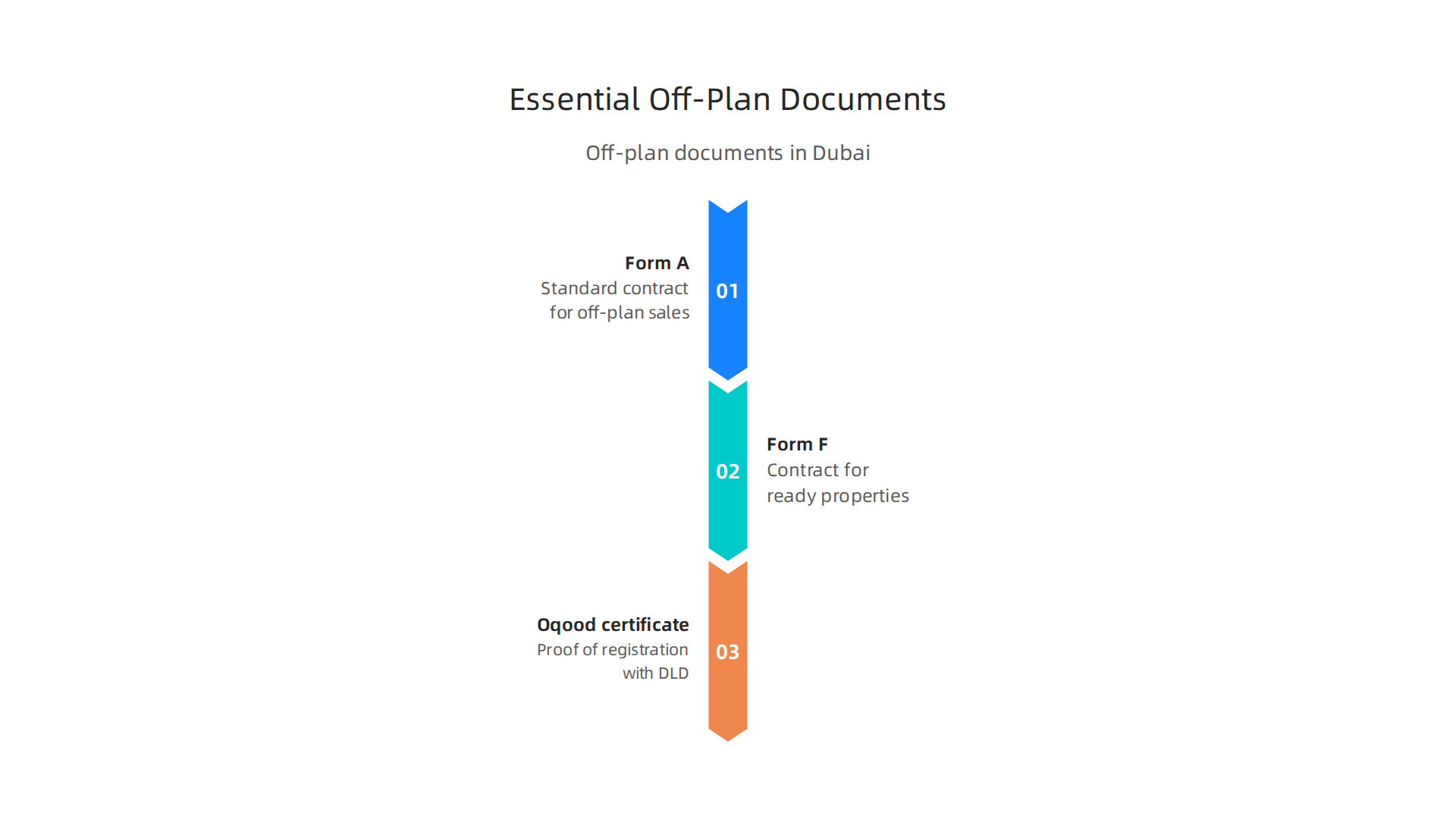
- Form A: The standard contract for off-plan sales. It spells out payment plans and delivery dates.
- Form F: The contract for ready properties.
- Oqood certificate: Your proof of registration with DLD. Think of it as a temporary title deed until the property is completed.
According to the Dubai Off Plan Property Laws guide, developers can only market off-plan projects after registering with RERA. That registration includes a proper assessment of the developer’s capability. So before you sign anything, confirm the project is registered.
Off-plan demand remains strong in 2026. In fact, Dubai property sales hit Dh176.7 billion in Q1 2026, with off-plan prices holding firm across segments.
Ejari: The rental registration you cannot skip
If you plan to rent out your property in International City, you must register the tenancy contract with Ejari. This is not optional. Ejari registration is required for:
- Connecting utility services (DEWA)
- Processing or renewing your tenant’s visa
- Resolving any rental disputes
Skipping Ejari means your tenant cannot get electricity or a resident visa. That makes your property unrentable. The process is simple. You or your agent submit the signed contract online through the Ejari system, pay a small fee, and receive a confirmation number. It takes about 10 minutes.
For a complete walkthrough of the entire buying process, including all legal steps, check out our guide on how to buy property in Dubai in 2026. It covers every document you need from start to finish.
Navigating these rules might feel overwhelming at first. But once you understand the basics, you will see how much protection Dubai offers to investors. That is a big part of why the market keeps growing.
Need help understanding how these rules apply to your specific situation? Get a free Dubai real estate consultation with an expert who can guide you through every legal step.
Top Areas and Property Types for Investment Returns
Now you know the legal side of things. But where should you actually put your money? The answer depends on your goal. Do you want steady rental income every month? Or are you hoping for property value to go up over time? In 2026, certain areas and property types are giving investors the best of both worlds.
International City is a yield king
International City offers some of the highest gross rental yields in all of Dubai. We are talking returns that often exceed 8%. That is well above the Dubai average of around 5% to 6%. Investors looking for a real estate international city apartment can expect strong monthly cash flow.
Why are yields so high here? Because property prices are still affordable compared to other areas, while rental demand stays strong. The community attracts a steady flow of tenants, especially from the nearby commercial and industrial zones. People want to live close to work, and International City fits that need perfectly.
According to a 2026 guide on the best places for rental property in Dubai, International City consistently ranks among the top locations for high rental returns. That is not a fluke. It is a pattern that has held for years.
Studios and one-bedroom units outperform larger apartments
Here is a simple truth that many new investors miss. Smaller units almost always give you better returns per square foot. A studio or a one-bedroom apartment will generally bring in a higher rental yield than a two-bedroom or three-bedroom unit in the same building.
Why? Because there are more tenants looking for affordable options. Singles, young couples, and workers on a budget want something small and cheap. You can charge a higher rent per square foot for a studio than for a big apartment. That means your money works harder.
If you are looking for an apartment for sale in Dubai with strong rental income, start with studios and one-bedrooms in high-demand areas. That is where the math works best.
Other top areas for returns in 2026
International City is not the only game in town. Several other locations are giving investors excellent results right now.
Dubai Marina and Jumeirah Lakes Towers (JLT) remain top choices for stable yields. These areas attract professionals and expats who want a lively lifestyle near the water. Rental demand here is constant, and property values have shown steady growth.
Emerging freehold communities like Arjan are also gaining attention. Arjan sits right next to Dubai Silicon Oasis and offers newer buildings at lower entry prices. It is becoming a hotspot for investors who want both rental income and future price appreciation. A report on up-and-coming areas in Dubai for 2026 lists several locations worth watching, including Dubai South and Dubai Islands, though your best bet for immediate returns is still the more established communities with proven demand.
If you want to explore the full picture, check out our detailed guide on how to buy property in Dubai in 2026. It breaks down every step from choosing the right area to closing the deal.
Quick comparison of top areas
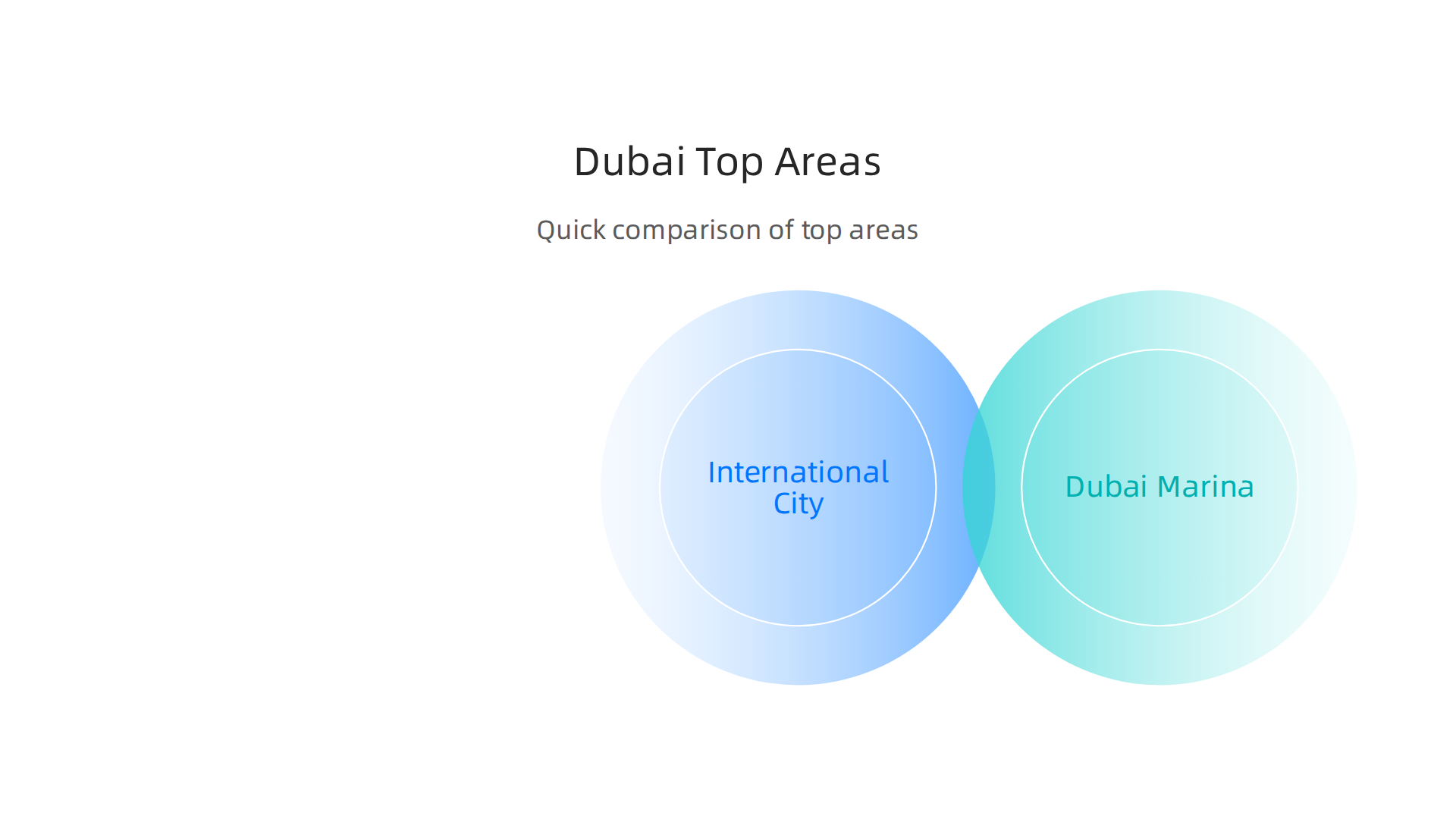
| Area | Typical Gross Yield | Best For |
|---|---|---|
| International City | 8%+ | High rental income, low entry price |
| Dubai Marina | 6% 7% | Stable demand, capital appreciation |
| JLT | 6% 7% | Professional tenants, good views |
| Arjan | 7% 8% | Emerging area, newer buildings |
| Dubai Silicon Oasis | 7% 8% | Tech workers, affordable entry |
Stay smart about market cycles
Some real estate news headlines talk about a possible dubai property market crash. But the data in 2026 tells a different story. Off plan demand remains strong. Prices held firm in the first quarter of 2026, with total sales reaching Dh176.7 billion. Yields in areas like International City stay high because demand from tenants keeps growing.
The key is to buy in the right location with the right property type. Do not chase luxury penthouses if your goal is cash flow. Stick with small units in high demand areas. That is how investors build real wealth in Dubai.
Not sure which area fits your budget and goals? Get a free Dubai real estate consultation with an expert who can match you with the best opportunities for your situation.
How to Evaluate and Choose a Reliable Real Estate Agent
You have the areas picked out. You know which property types give the best returns. But there is one more step that makes or breaks your whole plan. You need the right person to help you buy. A bad agent can cost you money. A good agent can save you time and stress.

So how do you tell them apart? Here is a simple system that works.
First, check the RERA license
Every legal real estate agent in Dubai must have a license from the Real Estate Regulatory Agency. This is not optional. If an agent does not have one, walk away immediately.
You can check any agent’s license directly on the official Dubai Land Department website. Just type in their name or license number. It takes two minutes. A licensed agent has passed the required training through the Dubai Real Estate Institute and passed the RERA exam, as explained in this guide on how agents become certified. If they are not in the system, do not work with them.
Second, ask about their track record
A license tells you an agent is legal. It does not tell you if they are good. You need proof of results.
Ask the agent for recent transactions in the area you want to buy in. If you are looking at an apartment for sale in Dubai near International City, ask how many units they sold or leased there in the last six months. Ask for references from past clients. A useful guide on choosing an agent suggests interviewing multiple agents before deciding. The best ones will share their numbers freely. The weak ones will dodge the question.
Also, ask around. Word of mouth matters a lot in Dubai. As one broker advice article points out, referrals from people you trust are often the best way to find a reliable agent.
Third, watch for red flags
Here are the signs that an agent is not right for you.
They pressure you to make a quick decision. They avoid giving clear answers on fees or commissions. They do not know basic facts about the area you are asking about. They promise returns that sound too good to be true.
If you see any of these signs, move on. There are thousands of licensed agents in Dubai. You do not need to settle for someone who makes you uncomfortable.
For more on what to avoid, check out this guide on how to avoid costly mistakes with a real estate brokerage in Dubai in 2026. It covers common traps that first-time buyers fall into.
Bonus tip: choose someone who knows your area
A great agent in Dubai Marina might know nothing about International City. That matters a lot. An agent with local expertise will know the true rental demand, the building quality, and the price trends. They can give you real numbers, not guesses.
If you want a full walkthrough of the entire buying process from finding an agent to getting the keys, read our complete step-by-step guide to buying property in Dubai in 2026.
Quick checklist before you sign
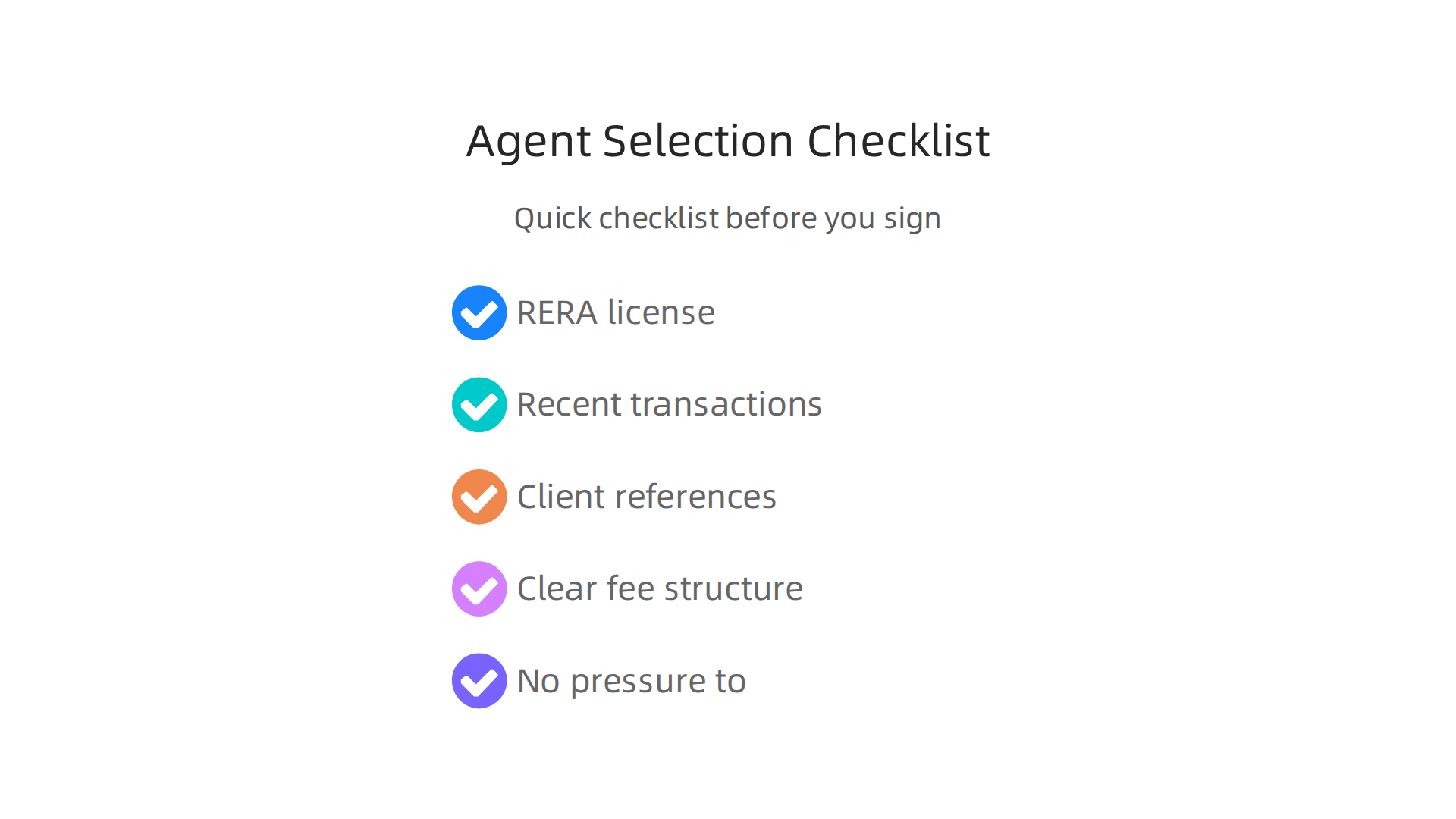
| Check This | Why It Matters |
|---|---|
| RERA license verified on DLD site | Confirms they are legal to operate |
| Recent transactions in your target area | Proves they know the local market |
| Client references you can call | Shows they have happy past clients |
| Clear fee structure in writing | Avoids surprises later |
| No pressure to rush | Good agents let you decide calmly |
Take your time with this step. A reliable agent is worth their weight in gold. A bad one can turn your dream investment into a headache.
If you want me to personally help you find a trustworthy agent for your specific situation, get a free Dubai real estate consultation and let us match you with the right professional.
Understanding Rental Yields, Capital Appreciation, and Market Cycles
You found a great agent. Now it is time to understand the numbers that really matter. Two main things drive your profit when you buy property in Dubai: the money you get each month from rent and the growth in the property’s value over time.
Let us break them down simply.
What is a rental yield?
Rental yield is the annual rent you earn divided by the property price. It tells you how much cash flow your investment produces.
In Dubai, gross rental yields usually range from 5% to 10%. But that number changes a lot depending on where you buy. A 2026 guide on the best places for rental property shows that areas like International City and Dubai Silicon Oasis offer higher yields compared to luxury areas. That is a key reason why many investors look at real estate International City for their first purchase.
Higher yield often means lower price growth. Lower yield often means better long-term appreciation. You have to decide which matters more to you.
How capital appreciation works
Capital appreciation is the increase in your property’s value over time. In 2025, Dubai saw remarkable growth. The Global Property Guide reported a 31.59% year-on-year increase in the residential market sales price index by December 2025. Apartment prices alone rose by 34.77% annually.
Those numbers are impressive. But you cannot expect them every year. Appreciation is driven by big factors like new infrastructure, Expo City legacy projects, and overall economic growth. Betterhomes’ Q2 2025 market report shows total sales value in Dubai hit AED 151.8 billion in the first half of 2025 alone.
Understanding market cycles
Here is the part most beginners miss. The Dubai property market moves in cycles: boom, correction, and recovery.
Right now in 2026, we are in a strong growth phase. But many investors worry about a potential dubai property market crash. That fear is natural. A detailed analysis of Dubai’s past cycles shows that corrections do happen, but they are often followed by recovery and new highs.
The smartest investors do not try to time the market perfectly. They buy in areas with strong fundamentals and hold for the long term. Deloitte’s 2025 predictions confirm that the outlook for Dubai’s retail and residential sectors remains optimistic through 2027.
Quick comparison table
| Metric | What It Tells You | Typical Range in Dubai |
|---|---|---|
| Gross rental yield | Cash flow from rent | 5% to 10% |
| Capital appreciation | Growth in property value | 10% to 30%+ in boom years |
| Market cycle phase | Risk and opportunity level | Boom, correction, recovery |
So which metric should you focus on? If you want steady monthly income, go for high rental yield areas like International City. If you want long-term wealth, focus on areas with strong appreciation potential. Most smart investors balance both.
For a complete walkthrough of every step in the buying process, read our full step-by-step guide to buying property in Dubai in 2026.
Still unsure which metric matters most for your situation? Get a free Dubai real estate consultation and let us help you find the right balance.
A Step-by-Step Guide to Buying Property in Dubai as a Foreigner
Now that you know how to read the numbers, let us walk through the actual buying process. Many people get stuck because they think buying property in a foreign country is complicated. The truth is, the Dubai system is clear and straightforward once you understand the steps.
Can foreigners buy property in Dubai?
Yes. You can buy freehold property in designated areas across Dubai. The Dubai Land Department (DLD) registers all property rights, so your ownership is fully protected by law. According to the 2026 real estate regulations summarized by Driven Properties, foreign investors have clear legal protections when buying in approved freehold zones. For example, if you are looking at real estate International City, that area is open to foreign buyers and offers affordable apartments that are popular with first-time investors.
The 5 main steps to buy
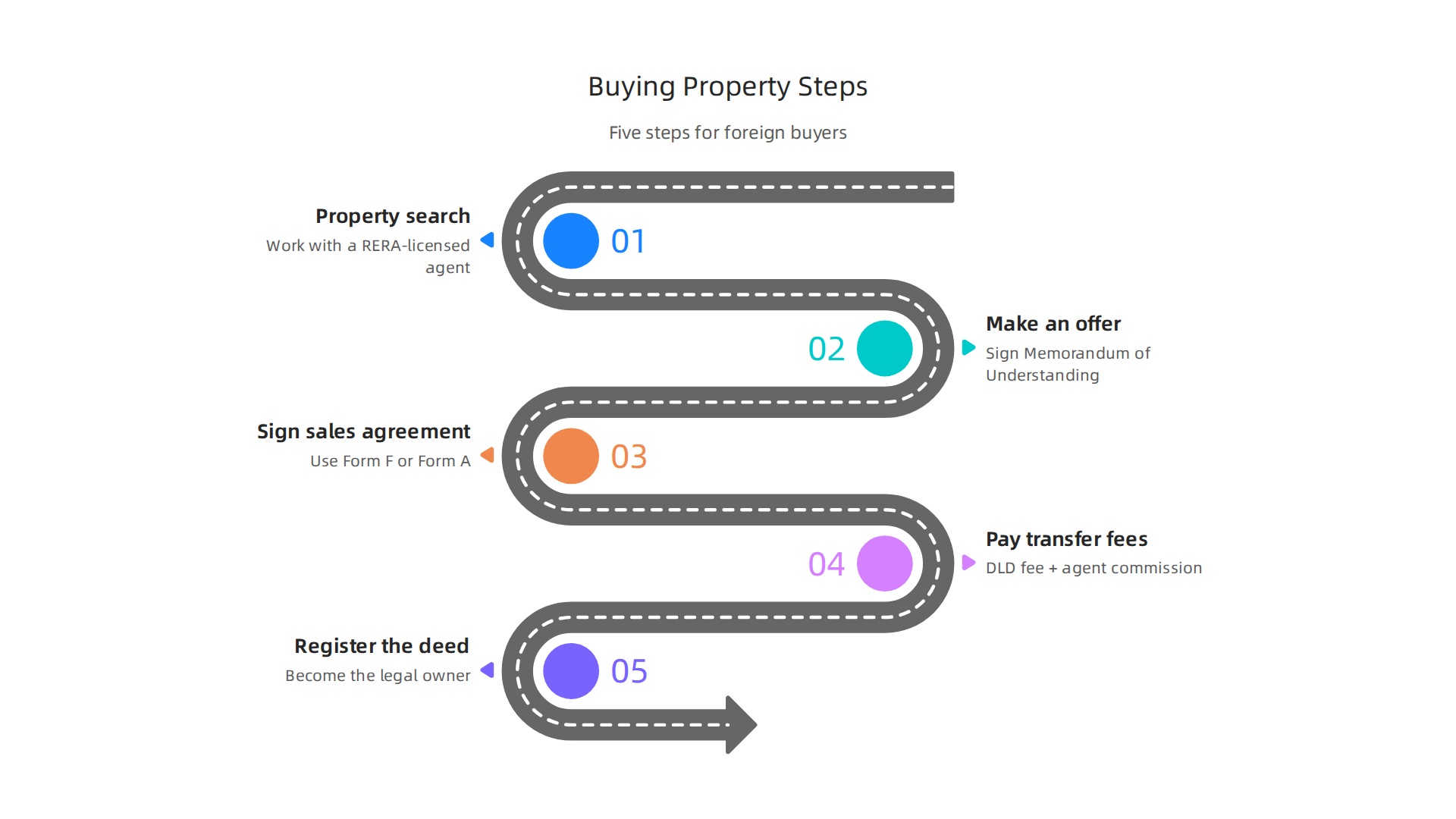
Here is how the process works for both ready and off-plan properties.
Step 1: Property search
Start by working with a RERA-licensed agent. All agents must hold a valid license to sell properties in Dubai. RERA, which is part of DLD, regulates agents to protect buyers. You can search online for an apartment for sale in Dubai or visit areas you like. Your agent will help you shortlist options.
Step 2: Make an offer and sign the Memorandum of Understanding (MOU)
When you find a property, you submit an offer. If the seller accepts, both parties sign an MOU. This document outlines the price, payment terms, and handover date.
Step 3: Sign the sales agreement
For ready properties, you sign Form F. For off-plan properties, you sign Form A. These are standard contracts approved by DLD. Off-plan projects must be registered with RERA before marketing. As Eastern Housing explains, developers cannot market off-plan units without proper registration and assessment of their capability.
Step 4: Pay the transfer fees
You pay the DLD transfer fee of 4% of the property price plus a small admin fee (around AED 580). You also pay your agent commission, usually 2% of the purchase price. Additional costs include a valuation fee if you need a mortgage. The total upfront costs are roughly 7% to 8% of the property price.
Step 5: Register the deed
The final step is title deed registration at DLD. Once registered, you become the legal owner. The whole process usually takes two to four weeks for a cash purchase.
What about off-plan properties?
Off-plan buying is huge in Dubai right now. In fact, real estate news shows that Dubai property sales hit AED 176.7 billion in Q1 2026, with off-plan demand staying strong. Off-plan properties often come with flexible payment plans, making them attractive for investors who want to enter the market with less cash upfront.
But off-plan comes with extra protections. The developer must be registered with RERA and meet strict financial requirements. A recent investment guide from the Times of India outlines the full legal framework for off-plan buyers.
Avoid common mistakes
The biggest mistake new buyers make is skipping the due diligence on the agent or developer. Make sure you verify the RERA license of both the agent and the developer. Working with a trustworthy brokerage can save you from costly errors. Read our article on how to buy property with trust and compliance in 2026 for deeper guidance.
Ready to start your journey?
The process is clear, but it still helps to have an expert by your side. One wrong step can cost you time or money. If you want a smooth experience, get a free Dubai real estate consultation with Ayaz Salman. He will walk you through every step and help you find the right property for your goals.
Future Trends Shaping Dubai’s Real Estate Market Beyond 2026
You have learned how to buy property in Dubai. But what happens after 2026? The market is changing fast. Knowing the trends now can help you make smarter investment decisions and avoid worries about a dubai property market crash.
The truth is, these trends actually make the market stronger and more stable.
Smart Homes and Green Buildings Are the New Standard
Buyers in 2026 expect more than just a nice view. They want homes that save energy and make life easier. Developers are adding smart home features like automated lighting, smart thermostats, and security systems you can control from your phone. According to a deep dive by Property Finder, smart home technology is becoming a key part of new communities across Dubai.
Sustainability is also a big deal. Eco-friendly materials, solar panels, and water-saving fixtures are now common in new projects. A recent report by Almadevelopments confirms that buyers are actively looking for green features in 2026. This shift is not just a trend. It is a long term change. Even in affordable areas like real estate international city, newer phases are incorporating these technologies. So if you are searching for an apartment for sale in dubai, you will see more listings touting smart and green features.
Expo City and New Growth Hubs
Remember Expo 2020? The site is now Expo City, a permanent hub for innovation and business. This transformation is boosting property values in surrounding areas. Up-and-coming locations like Dubai South, Palm Jebel Ali, and Dubai Islands are attracting investors. Engel & Völkers highlights these as top areas for 2026. As businesses move into Expo City, demand for nearby housing will rise. This means potential capital appreciation for early buyers.
Co-Living and Flexible Leasing Models
Dubai has a huge expat and transient population. People come for work, stay for a few years, and then move on. The old model of long term leases does not always fit. Enter co-living spaces. These are fully furnished apartments with shared common areas and flexible lease terms. Some developers are now offering short term rental models within residential buildings. This makes it easier for tenants to move in and out. For investors, co-living can mean higher rental yields because you charge more per room. Recent real estate news shows that co-living projects are popping up in districts like Dubai Silicon Oasis and even in parts of International City.
What This Means for You
These trends are good news for investors. The market is maturing. It is not a bubble. It is evolving to meet real demand. If you want to ride these waves, you need a partner who knows the landscape. Working with the right agent helps you avoid costly errors. You can learn more about finding a trustworthy brokerage in our guide on how to avoid common real estate mistakes in Dubai.
Ready to invest with confidence in 2026 and beyond? Get a free consultation with Ayaz Salman. He will help you understand how these trends affect your goals and find the best property for your future.
Summary
This guide explains why International City is one of Dubai’s most attractive options for 2026 investors, combining low entry prices with strong rental demand and above-average yields. It covers the broader Dubai market context and the policy drivers behind demand, then breaks down the legal framework you must know—RERA registration, escrow protection for off‑plan purchases, and Ejari for rentals. You will learn which property types and areas deliver the best cash flow versus capital appreciation, how to calculate rental yield, and a practical five-step buying process for foreigners. The article also shows how to vet and choose a trustworthy RERA‑licensed agent, outlines typical fees and costs, and highlights near-term trends like smart homes and co‑living that affect future returns. After reading, you will be able to shortlist suitable units, avoid common pitfalls, and take the right procedural steps to buy confidently in Dubai.