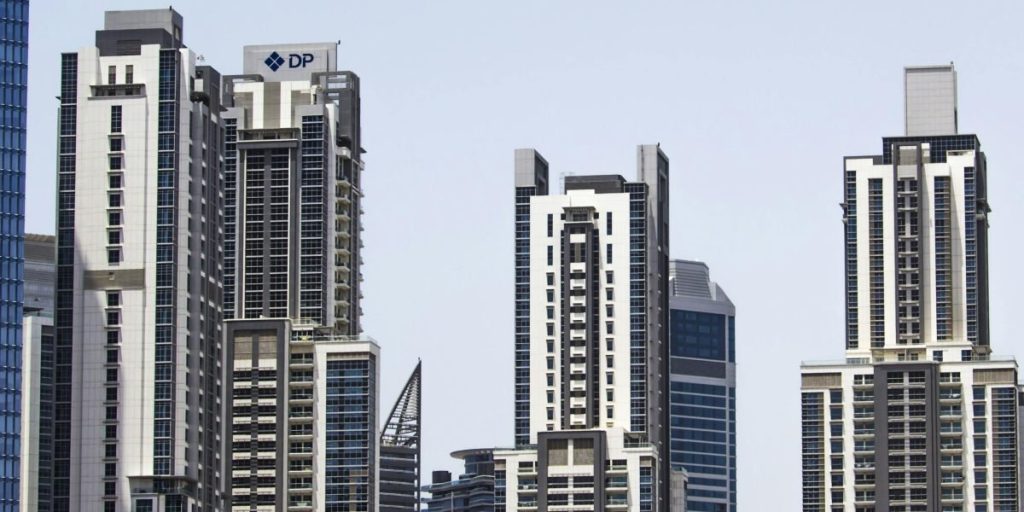
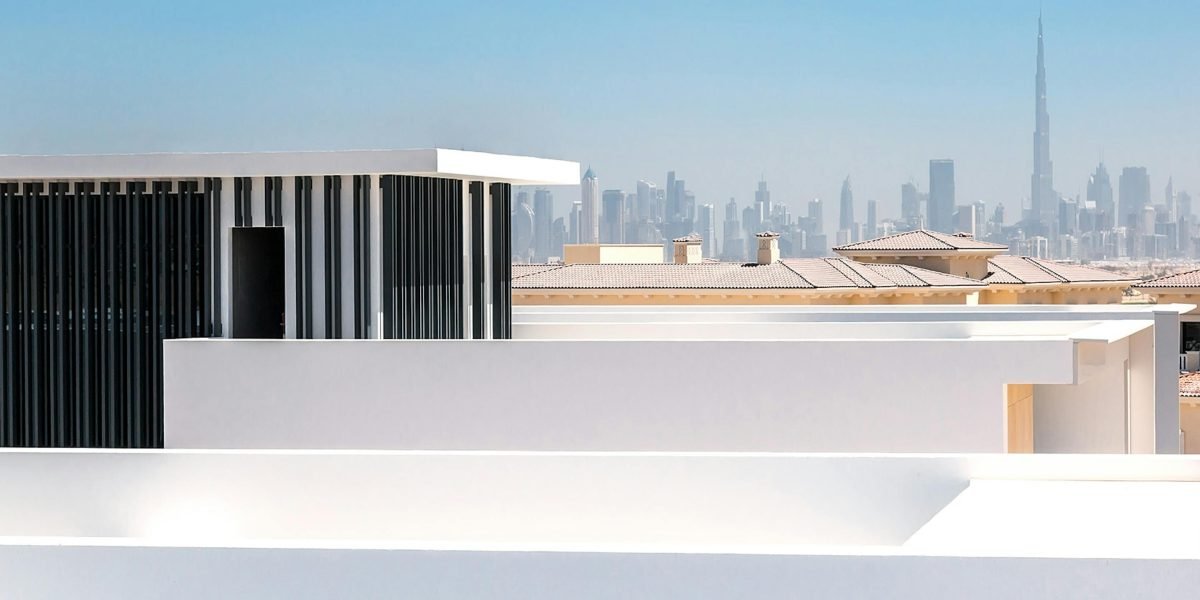
If you’re thinking about buying real estate in Dubai in 2026, you’re looking at one of the world’s most exciting markets. Dubai’s property scene keeps growing, offering many chances for homes and investments. For example, the first three months of 2026 saw over 47,000 home sales, showing a strong market activity with a lot of money changing hands according to a Dubai Real Estate Market Report 2026: Q1 Data & Outlook.
But buying property in a new place can feel a bit tricky, right? There are many things to learn, from local laws to how payments work. This guide is here to make that journey much simpler for you.

Whether you’re an investor looking for smart opportunities, an expat finding a new home, or just someone interested in the lively Dubai market, we’ve got you covered.
Our goal is to give you a clear map for your entire buying journey. We’ll walk you through all the important steps, including legal rules, financial tips, and practical advice. This way, you can feel confident and make good choices without stress. You’ll learn what to expect when you want to buy real estate Dubai, so you can avoid common problems and speed up your decisions. We believe that with the right information, buying real estate in Dubai can be a smooth and rewarding experience. You’ll also learn how important it is to work with the best real estate agents in Dubai.
To get a head start, check out our step-by-step guide to buying property in Dubai.
Ready to take the next step? Connect with an expert who can give you personal advice.
FREE Dubai Real Estate Consultation
Now that you know how exciting the Dubai property market is, let’s look closer at who is buying real estate in Dubai and what they are looking for. The city brings together people from all over the world, each with their own reasons for wanting to own property here in 2026. Understanding these different groups and how the market moves can help you make smarter choices.
Who is Buying What and Where?
When you look at people who buy real estate Dubai, you can often see a few main groups. Each group has different needs and looks for different things.
Expats and First-Time Home Buyers
Many people who move to Dubai from other countries, called expats, are looking for a place to call home. First-time buyers also fall into this group. They often want apartments or townhouses that are:
- Close to work or schools.
- In friendly neighborhoods with parks and shops.
- Easy to access public transport.
Popular areas for these buyers might include places like Dubai Marina, Downtown Dubai, or new family-focused communities. They are often focused on comfort and convenience for their daily lives.
Investors
Investors are people who buy property hoping it will grow in value or provide a steady income from rent. These buyers are usually interested in:
- Properties that offer high rental returns.
- Areas with strong growth potential.
- Off-plan properties, which means buying before construction is finished, sometimes at a lower price.
- Luxury properties for capital appreciation.
For investors interested in high-value opportunities, there’s more information on Luxury Real Estate Dubai 2026: Your Blueprint for High-Value Investments. Key areas for investors can vary widely, but often include business hubs or upcoming luxury districts.
What Drives the Dubai Property Market in 2026?
The Dubai real estate market is always changing, and many things can affect prices and how much people want to buy. In 2026, we see strong demand that keeps prices going up, but not too fast. Reports suggest that property prices in Dubai are expected to rise steadily this year. For example, some experts predict a modest but stable increase in property values, making it an attractive time to buy real estate Dubai without fear of a sharp drop in prices, according to a Dubai Property Prices Rise or Fall in 2026 Forecast.
Important factors include:
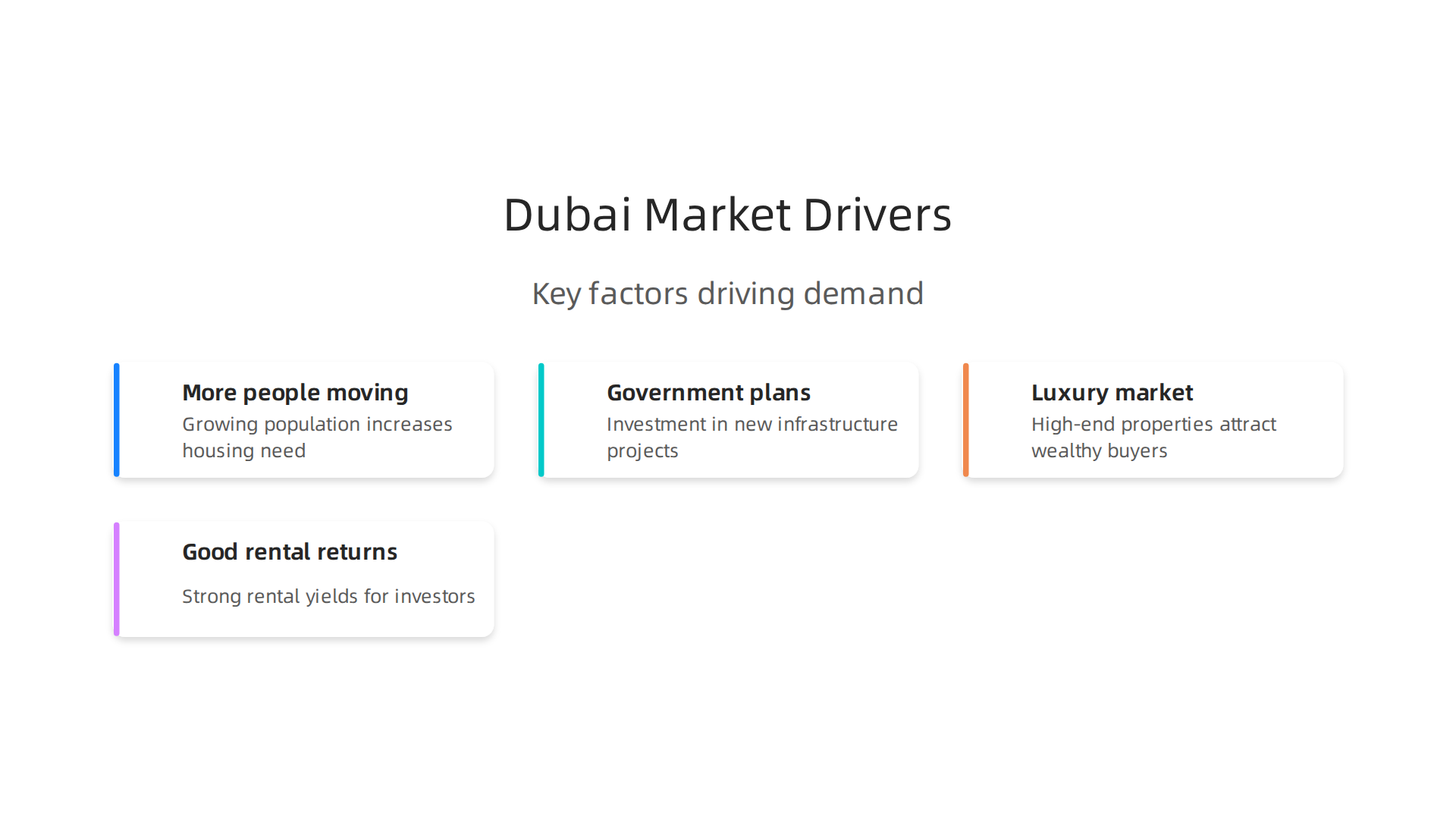
- More people moving to Dubai: A growing population means more people need homes.
- Government plans: Dubai’s government keeps investing in new projects and improving the city, which makes it more appealing to live and invest in.
- Luxury market: High-end properties are still very popular, attracting wealthy buyers from around the globe.
- Good rental returns: Many investors see Dubai as a good place to get money back from renting out their properties.
Different neighborhoods have different vibes and price tags. For instance, areas like Palm Jumeirah or Emirates Hills offer luxury homes, while places like JLT or Business Bay provide modern apartments that are popular with both expats and investors. Understanding these market dynamics helps you pick the right spot for your needs. If you’re considering buying an apartment in a specific area, you might find more details in our guide on JLT Apartments for Sale in 2026: Market Trends, Rental Yields, and Top Buildings.
Understanding the people and trends in Dubai’s property market is a great first step. But before you get too far, it’s super important to know the rules of the game. When you’re buying real estate Dubai, knowing the legal basics will help you avoid problems and make smart choices. This includes understanding what kind of property you can own and how to officially register it.
Ownership Types: Freehold vs. Leasehold
When you want to buy dubai real estate, there are two main ways to own property:
- Freehold Property: This means you own the property and the land it sits on forever. If you buy a freehold apartment or villa, it’s completely yours to sell, rent, or pass down. Many areas in Dubai are set aside as "freehold zones" where people from any country can buy property. Places like Dubai Marina, Downtown Dubai, and Palm Jumeirah are well-known freehold areas.
- Leasehold Property: With leasehold, you own the property for a set amount of time, usually 99 years. You don’t own the land itself. After the lease period ends, the property goes back to the landowner. Leasehold properties are less common now for expats looking to buy real estate dubai, but they still exist.
Most people, especially those from outside the UAE, prefer to buy freehold property because it gives them full ownership and control.
Key Registration Steps and Paperwork
Once you’ve found the right property, you need to make it officially yours. This involves a few important steps, mainly through the Dubai Land Department (DLD).
The DLD is the main government body that takes care of all property sales and registrations in Dubai. They make sure everything is clear and legal, as detailed in the Real Estate – Legal 500 Country Comparative Guides 2026.
Here’s a simple look at the steps:
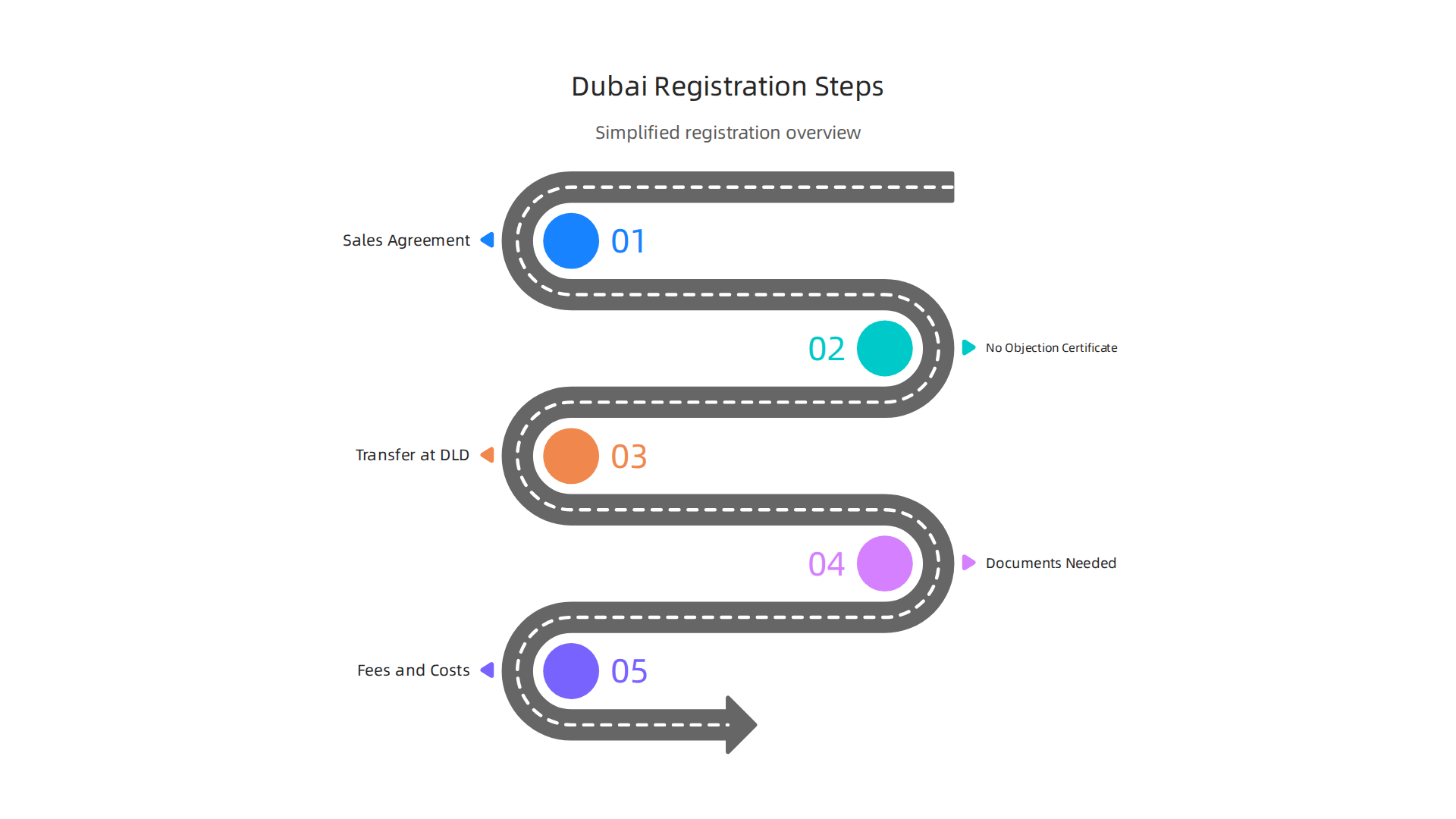
- Sales Agreement: You and the seller will sign a "Memorandum of Understanding" (MOU) or a sales agreement. This document sets out all the details of the sale, like the price and what’s included. Often, a real estate agent in Dubai will help you with this.
- No Objection Certificate (NOC): If you’re buying in a building or community, you’ll need a "No Objection Certificate" from the developer. This document confirms that the developer has no issues with the property being sold.
- Transfer at DLD: This is the most important step. You and the seller, or your representatives, will go to a DLD Trustee Office. Here, the ownership of the property is officially moved from the seller to you. The DLD handles property interests and keeps a title registration system for clarity and security, as explained in reports on Dubai’s Regulatory Ecosystem.
- Documents Needed: You’ll typically need your passport, a valid UAE residency visa (if applicable), and the sales agreement.
- Fees and Costs: When you transfer property at the DLD, there are fees. The main fee is the DLD transfer fee, which is 4% of the property’s value. There might be other small fees too. It’s good to know these costs upfront, and you can learn more about them in a guide on Property Taxes, Fees and Costs in Dubai (2026).
Compliance and Trust:
Following these legal steps and making sure all documents are correct is very important when you real estate dubai buy. It helps protect your investment. Using experienced real estate agents in Dubai can make this process much smoother. They know the rules and can help you avoid mistakes. For more details on making sure your investment is safe and compliant, check out how to Dubai Real Estate Investment 2026: How to Buy Property with Trust and Compliance.
Buying property in Dubai is an exciting journey, and understanding these legal parts ensures a hassle-free experience. If you need a helping hand with all the paperwork or want to make sure you’re following every rule, don’t hesitate to ask for help.
Buying, selling, renting, or investing in Dubai? Connect with Ayaz Salman for a FREE Dubai Real Estate Consultation.
Understanding the legal side of things is super important when buying property in Dubai, but so is knowing about the money part. To truly succeed when buying real estate Dubai, you need to budget carefully for how you will pay for the property, including any loans, fees, and extra costs. This planning helps you avoid surprises and ensures you have enough funds.

How to Get a Mortgage in Dubai
If you don’t have enough cash to buy a property outright, you can apply for a mortgage. Dubai banks offer home loans to both people living in the UAE (residents) and those living outside the country (non-residents).
For Residents:
It’s usually a bit easier for residents to get a mortgage. Banks often let them borrow more of the property’s value, meaning they need a smaller down payment. You’ll need to show a stable income and a good credit history.
For Non-Residents:
If you don’t live in the UAE but want to buy Dubai real estate, you can still get a mortgage. However, the rules are usually stricter. Here are some key things to know:
- Down Payment: Non-residents typically need to pay a larger down payment. Many banks ask for 35% to 40% of the property’s price upfront, sometimes even 50% Dubai Mortgages for Non-Residents | UK & EU Buyer Guide 2026. Some might offer up to 80% loan-to-value (LTV) depending on the property and your profile, but a 60%-65% LTV is more common for non-residents, meaning a 35%-40% down payment Dubai Mortgage for Non-Residents: How to Apply & What to Expect.
- Eligibility: You generally need to be at least 21 years old to apply Dubai Mortgage for Non-Residents (2026 Guide) – Property Finder. You’ll also need to provide clear proof of your income. Some banks, like HSBC, have specific account requirements for non-resident home loans Non Residents Mortgage | Home Loan for Foreigners – HSBC UAE.

- Banks: Many banks in Dubai offer programs for non-resident buyers. For example, Dubai Islamic Bank has a dedicated non-resident home finance program Non-Resident Program – Home Finance – Dubai Islamic Bank.
It’s wise to talk to a few banks to compare their offers and see what you qualify for.
Other Important Costs When Buying Real Estate Dubai
Besides the property price, there are other fees you need to budget for. We already talked about the 4% DLD transfer fee. Here are some others:
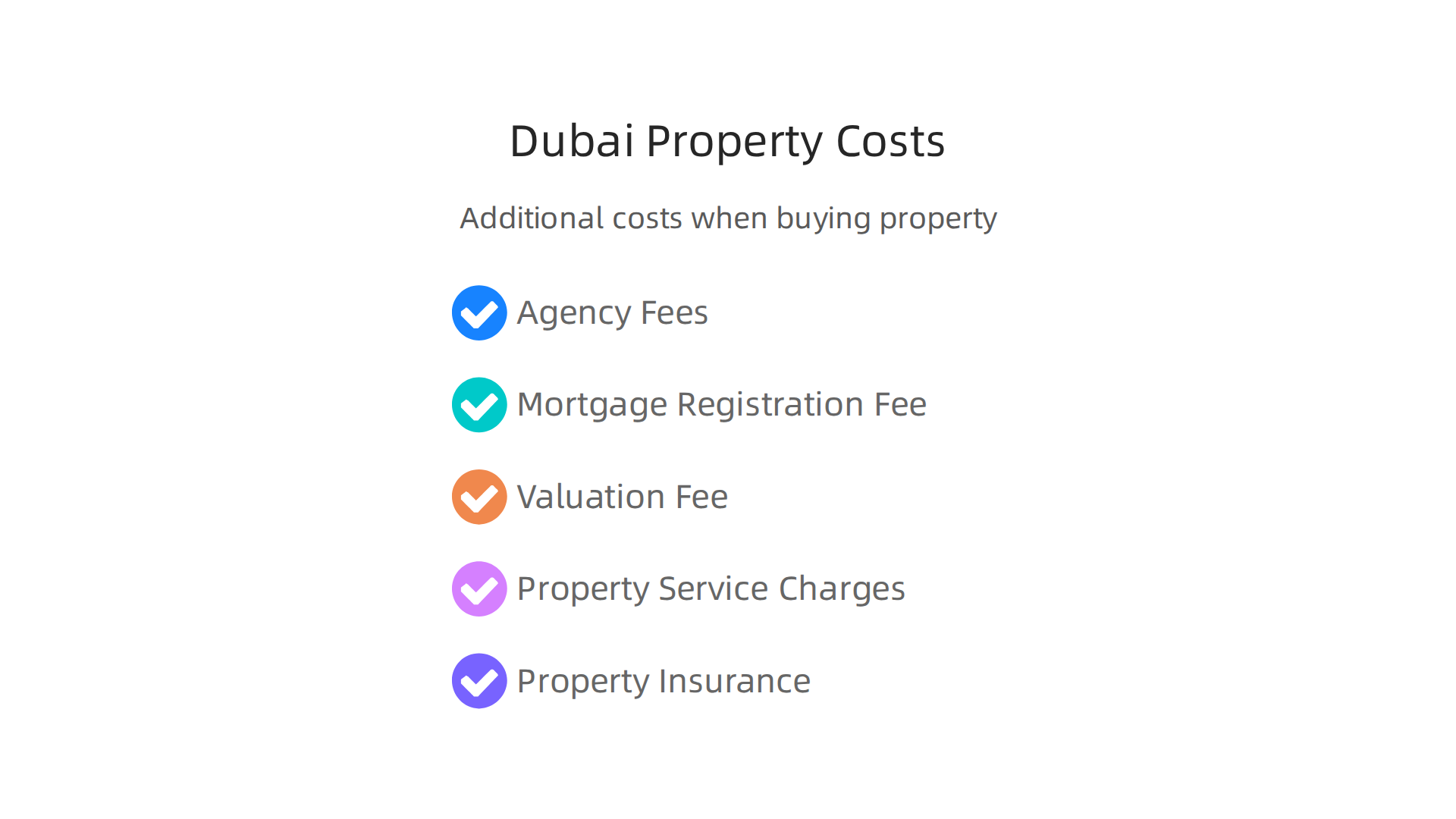
- Agency Fees: When you use real estate agents in Dubai, they usually charge a fee. This is often 2% of the property’s purchase price, plus a 5% Value Added Tax (VAT) on that fee.
- Mortgage Registration Fee: If you take out a mortgage, you’ll need to pay a fee to register the loan with the DLD. This is typically 0.25% of your loan amount, plus a small fixed fee.
- Valuation Fee: Before a bank gives you a mortgage, they will have the property valued to make sure it’s worth what you’re paying. This costs money, usually a few thousand AED.
- Property Service Charges: After you buy, especially for apartments or villas in communities, you’ll pay yearly service charges. These cover maintenance of common areas like pools, gyms, and security.
- Property Insurance: It’s smart to get property insurance to protect your new home from unexpected events.
Understanding all these costs upfront helps you prepare your finances properly for your investment. For more detailed guidance on the overall buying process, you can also check out our Buy Real Estate in Dubai in 2026 a Step by Step Guide to the Property Market.
When you think about buying real estate in Dubai, it’s not just about the money you spend. It’s also about what kind of home or investment you want to make. You need to think about why you are buying. Is it to make money or to have a nice place to live? Sometimes, it’s a bit of both.
Investment vs. Lifestyle Decisions
Choosing the right property means looking at two main things:
-
Investment Value: This is all about money. You want to know if the property will make you more money later.
- Capital Appreciation: This means if the property’s price will go up over time. In 2026, many experts expect Dubai property prices to keep growing. For example, some forecasts show average property price increases of about 9% to 10% in the past year Property Price Forecasts Dubai (2026) – Sands Of Wealth.
- Rental Yield: This is how much money you can make from renting out the property. It’s a percentage of the property’s price that you get back each year from rent. In Q1 2026, apartment rental rates in Dubai were about AED 128.7 per square foot per month Dubai Real Estate Market Report Q1 2026 | Reliant Surveyors. If you want to learn more about how to make smart money moves, read our guide on Dubai Real Estate Investment 2026: How to Buy Property with Trust and Compliance.
-
Lifestyle Factors: This is about how the property fits your life.
- Commute: How long will it take to get to work or other important places?
- Schools: Are there good schools nearby if you have children?
- Amenities: What fun things are close by? Think about parks, shops, restaurants, gyms, or beaches.
It’s important to find a good balance. A property might be great for living, but not a strong investment. Or it could be a fantastic investment but not the best place for your daily life. The best properties for buying real estate Dubai often offer a mix of both.
Checklist for Evaluating a Property Unit
Before you make a final choice when you buy Dubai real estate, it’s smart to check a few key things about the building or home itself:
- Build Quality: Is the property well-made? Look at the finishings, how solid it feels, and if things look new or worn out.
- Developer Reputation: Who built the property? Big, well-known developers often build higher-quality homes. This can be important for the long-term value and for peace of mind.
- Maintenance and Service Charges: We talked about these before, but remember to ask for the exact yearly costs. These fees cover upkeep for common areas and facilities. They can add up, so factor them into your budget.
- Layout and Size: Does the property’s layout work for you? Is it big enough for your needs, or too big?
- View and Natural Light: Do you like the view from the windows? Does the home get enough sunlight?
Working with good real estate agents in Dubai can help you look at all these details. They know the market and can give you advice tailored to your needs. For a deeper dive into the whole journey of buying property in Dubai, check out our Buy Property in Dubai in 2026: A Step-by-Step Guide to the Dubai Real Estate Market. If you need help making these complex decisions, a good agent can be your best guide. Learn more about how A Licensed Estate Agent in Dubai is Your Best Guide to the 2026 Market.
Making the right choice for buying real estate Dubai can feel like a big task. If you’re buying, selling, renting, or investing in Dubai, connect with Ayaz Salman for a FREE Dubai Real Estate Consultation.
Working with good real estate agents in Dubai is super important. They can help you look at all the details and give you advice. But it’s also up to you to pick the right one. Think of it like picking a good guide for a big trip. You want someone you can trust when you are buying real estate Dubai.

Vetting Agents: How to Find the Right Guide
When you want to buy Dubai real estate, you need to make sure your agent is good and honest. Here’s how you can check:
- Check Their License: Every real estate agent in Dubai must have a special license from RERA (Real Estate Regulatory Agency). This is like their official ID. You can ask to see it, and it will have a RERA ID number. You can even check this number on the Dubai Land Department (DLD) website to make sure it’s real. This step is key to avoiding issues. Agents must go through training and get certified How to Become a Certified Real Estate Agent in Dubai.
- Ask for References: Good agents are happy to share names of past clients. You can talk to these people to hear about their experiences. This helps you understand if the agent is good at their job.
- Look at Their History: How many properties have they helped people buy or sell? An agent with a lot of happy clients and successful deals knows the market well. They’ll know the best places to buy real estate Dubai.
Understanding Contracts and Avoiding Scams
Once you pick an agent, you’ll sign some papers. These papers are important.
- Clear Terms: Make sure the contract clearly states what the agent will do for you and how much you will pay them. This includes their commission, which is usually a small percentage of the property price.
- RERA Forms: In Dubai, there are special forms called Form A and Form F.
- Form A is between you and your agent. It lists all the details of your agreement.
- Form F is the official agreement when you actually buy the property. Always make sure these forms are filled out correctly.
- Avoiding Common Problems: When you buy Dubai real estate, watch out for these red flags:
- "Too good to be true" deals: If a deal sounds amazing and much cheaper than everything else, be careful. It might be a trick.
- Pushy agents: A good agent will listen to you, not push you into a quick decision.
- Asking for cash directly: Never give cash directly to an agent. All payments should go through official channels, like bank transfers or checks.
- No RERA ID: If an agent can’t show you their RERA ID, walk away. They are not allowed to work without it.
Being careful and doing your homework on your real estate agents in Dubai will help you have a smooth and safe experience when buying real estate. It’s smart to know how to Avoid Costly Mistakes With A Real Estate Brokerage In Dubai In 2026.
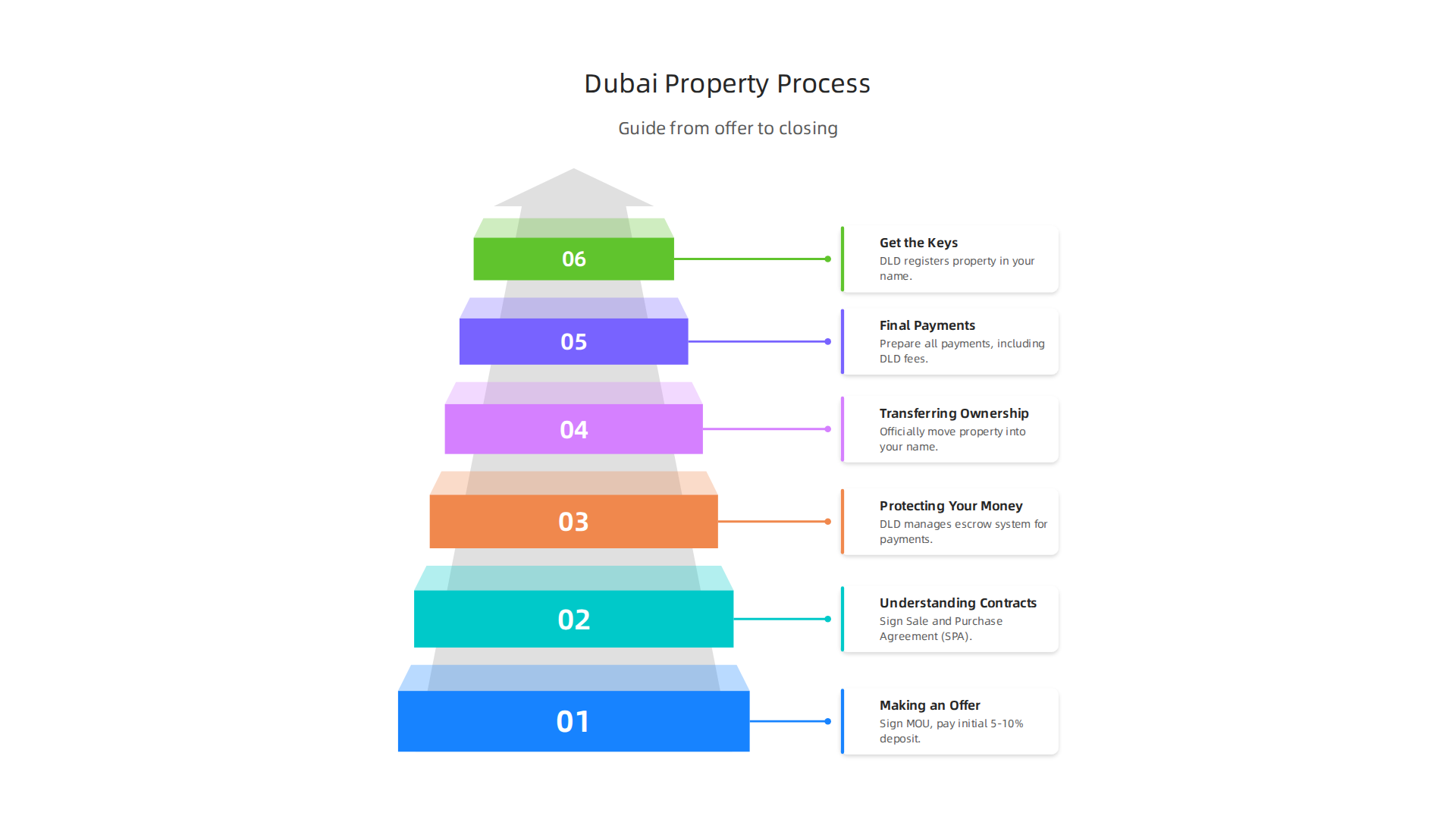
Step-by-step buying process: offers, contracts, escrow and closing
Once you’ve done your homework and picked a good property and a trustworthy agent, it’s time to actually buy real estate in Dubai. This part has a few important steps.
Making an Offer and Initial Deposit
First, you tell the seller what you’re willing to pay. If they agree, you’ll usually sign a paper called a Memorandum of Understanding (MOU). This isn’t the final contract, but it shows you both mean business. At this point, you’ll also pay a deposit, usually about 5% to 10% of the property price. This deposit proves you’re serious about buying. Your real estate agents in Dubai will help you with this.
Understanding Contracts and Protecting Your Money
After the MOU, you move to the main contract, called the Sale and Purchase Agreement (SPA). This big paper has all the details of the deal. It lists the price, what’s included, and when you’ll take over the property.
In Dubai, the Dubai Land Department (DLD) plays a big role in keeping your money safe. For ready properties, your deposit is typically held by the real estate agent or a special account until the property transfer happens. This works like an "escrow" system, making sure neither side can back out easily without losing their deposit. The DLD registers all property interests and ensures the legal transfer of ownership. For new properties still being built, your payments go into a special escrow account managed by the DLD, which protects your money in case the building isn’t finished.
Transferring Ownership and Final Payments
The final step for buying real estate Dubai is transferring the property into your name at the DLD. This is often called "closing." Before this, you’ll need to make sure all your payments are ready, usually through a manager’s check or bank transfer.
There are also some fees you’ll pay at this stage. The DLD charges a transfer fee, which is a percentage of the property price. There might be other small costs too, like registration fees. Knowing about these costs upfront is important when you plan to buy Dubai real estate. You can learn more about these charges in a guide to Property Taxes, Fees and Costs in Dubai (2026).
Once all the paperwork is signed and the money is paid, the DLD officially puts the property in your name. Then, you get the keys! Congratulations, you’ve successfully completed the process of buying real estate in Dubai. For a deeper dive into the entire process, read our comprehensive buy real estate in Dubai in 2026.
Buying, selling, renting, or investing in Dubai? Connect with Ayaz Salman for FREE Dubai Real Estate Consultation.
7) After closing: registration, tenancy and property management best practices
Once you’ve got the keys to your new place, the process of buying real estate in Dubai isn’t quite over. There are a few important steps to take right away to make sure everything is properly set up.
Immediate Tasks After Getting Your Property
First, you’ll want to take care of things like getting your utilities working. This means setting up accounts with DEWA (Dubai Electricity and Water Authority) for electricity and water. You’ll also need to get your internet and phone services connected. Many people also register their new address with the local postal service.
If you plan to rent out your property, there’s a special step called Ejari registration. Ejari is a system that officially records all tenancy contracts in Dubai. It makes sure both landlords and tenants are protected. You must register your tenancy agreement with Ejari within a month of signing it. This is a crucial part of being a landlord here. You can find more details in this helpful guide on Your Ultimate Guide to Tenancy Contract and Ejari Registration.
Handling Your Property: Management Options
Once you own the property, you have choices for how to manage it.
- Self-Management: You can choose to manage the property yourself. This means finding tenants, collecting rent, handling repairs, and dealing with any issues that come up. This option is great if you have the time and live nearby.
- Property Management Company: Many owners, especially those living abroad or with multiple properties, hire a property management company. These companies take care of everything for you. They can find tenants, screen them, manage leases, collect rent, handle maintenance, and make sure your property is well looked after. The Dubai Land Department (DLD) also has services for registering property management contracts, which helps ensure things are done correctly. You can learn about registering or renewing these contracts on the Registration and renewal of the real estate management contract page.
Before handing over your property to a tenant or a management company, it’s smart to do a thorough check. Create a handover checklist that includes things like making sure all appliances work, taking photos of the property’s condition, and noting down meter readings. This helps avoid problems later on.
Whether you’re planning to live in your new home or use it as an investment, understanding these post-closing steps is key to successful ownership of real estate in Dubai.

For more insights on the market, explore our guide on the Dubai Real Estate Market 2026 Record Sales Top Areas And Buying Guide.
Summary
This guide explains how to buy real estate in Dubai in 2026, covering who is buying, which neighbourhoods they prefer, and the market forces driving price growth and rental demand. It walks you through ownership types (freehold vs leasehold), the legal registration steps with the Dubai Land Department, and the paperwork you’ll need to complete a transfer. The article also explains mortgage options for residents and non‑residents, gives a clear breakdown of one‑off and ongoing costs, and shows how to weigh investment returns against lifestyle needs. You’ll find practical checklists for evaluating a unit, a step‑by‑step buying and closing process, and guidance for vetting licensed RERA agents to avoid scams. Finally, it covers post‑closing tasks such as Ejari, utilities and property management so you can protect and manage your new asset.